Injury law firms spend significant resources on marketing. From Google Ads to SEO and social media, every campaign is designed with one goal in mind: getting the phone to ring. However, many firms still struggle to answer a simple question after investing thousands in marketing. Which channel actually generated the call?

That is where call tracking strategies for injury law firms become essential. Without proper tracking, firms rely on guesswork when evaluating marketing performance. This leads to wasted ad spend and missed opportunities to convert high-value clients.

Call tracking provides clear insight into where calls originate, which campaigns drive real cases, and how potential clients interact with your firm during the intake process. For injury lawyers handling time-sensitive cases, every call matters.

Before diving into specific strategies, it helps to understand why call tracking is critical in modern legal marketing.

Why Call Tracking Matters for Injury Law Firms

Personal injury clients almost always prefer calling instead of filling out forms. When someone is injured in an accident, they want answers immediately. They want to speak to a real person who can explain their options.

That makes phone calls one of the most valuable lead sources for injury law firms.

However, without call tracking tools, firms cannot clearly determine which marketing channel generated those calls.

Effective call tracking helps law firms:

  • Identify which marketing campaigns generate qualified leads.
  • Measure return on investment from paid ads and SEO.
  • Improve call handling and intake processes.
  • Discover missed calls that could have been potential clients.
  • Understand how potential clients found the firm.

Once a firm understands where its calls originate, marketing decisions become much more strategic.

Understanding How Call Tracking Works

Call tracking assigns unique phone numbers to different marketing campaigns. These numbers route calls to the same office line while capturing valuable data about the caller.

For example, a law firm might use separate numbers for:

  • Google Ads campaigns
  • Organic search traffic
  • Billboards or offline advertising
  • Social media campaigns
  • Local service ads
When a call comes in, the system records the caller’s location and often tracks additional data such as call duration, location, and time of day.

This information gives injury law firms powerful insights into how marketing channels perform.

Core Call Tracking Strategies for Injury Law Firms

1. Use Dynamic Number Insertion for Website Visitors

Dynamic number insertion changes the phone number displayed on a website depending on how the visitor arrived.

For example, someone who finds your firm through Google Ads will see a different number than someone who arrives through organic search.

This allows law firms to accurately track digital marketing performance.

Benefits of dynamic number insertion include:

  • Precise attribution of website calls.
  • Improved understanding of keyword performance.
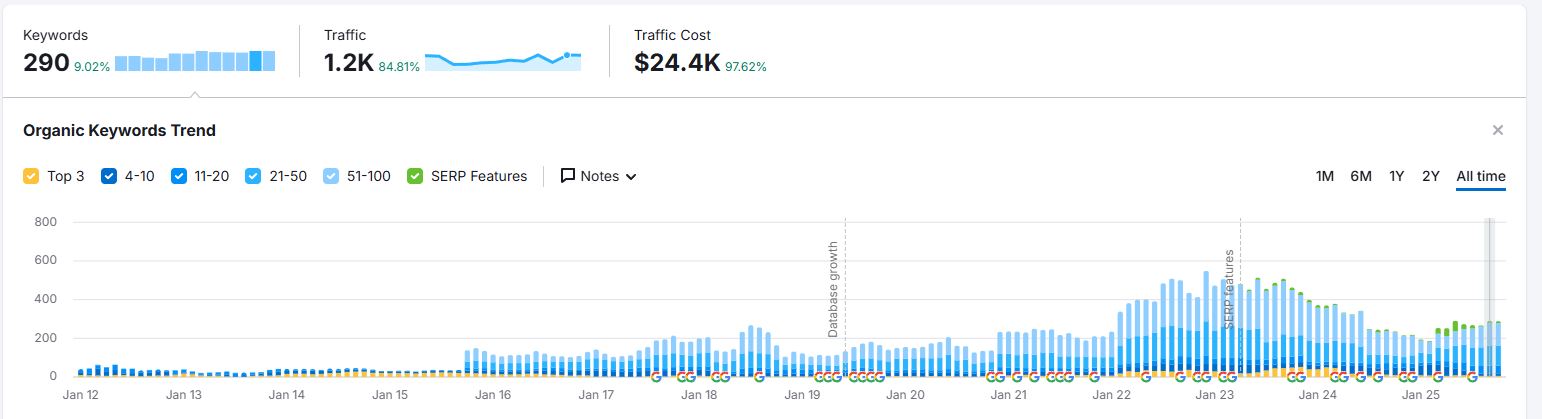
  • Better insight into SEO-driven calls.

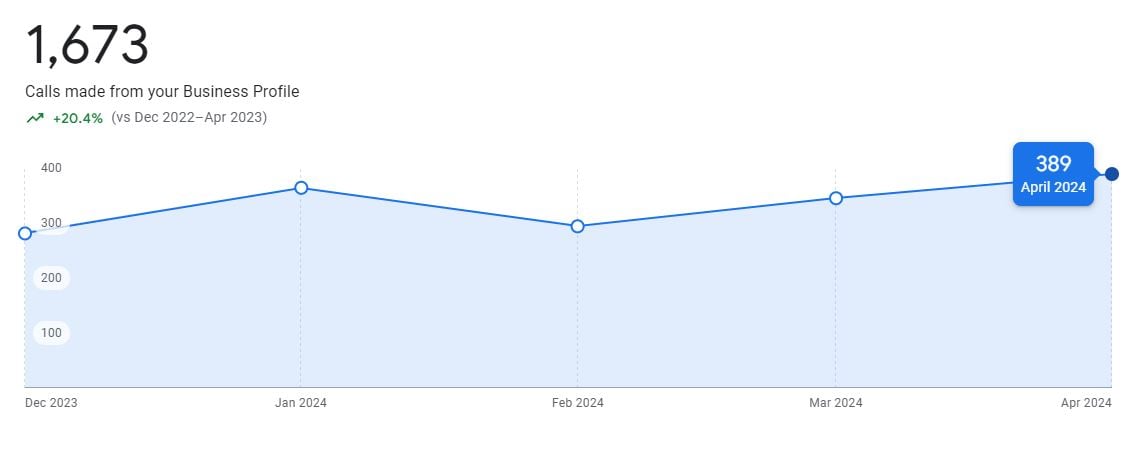
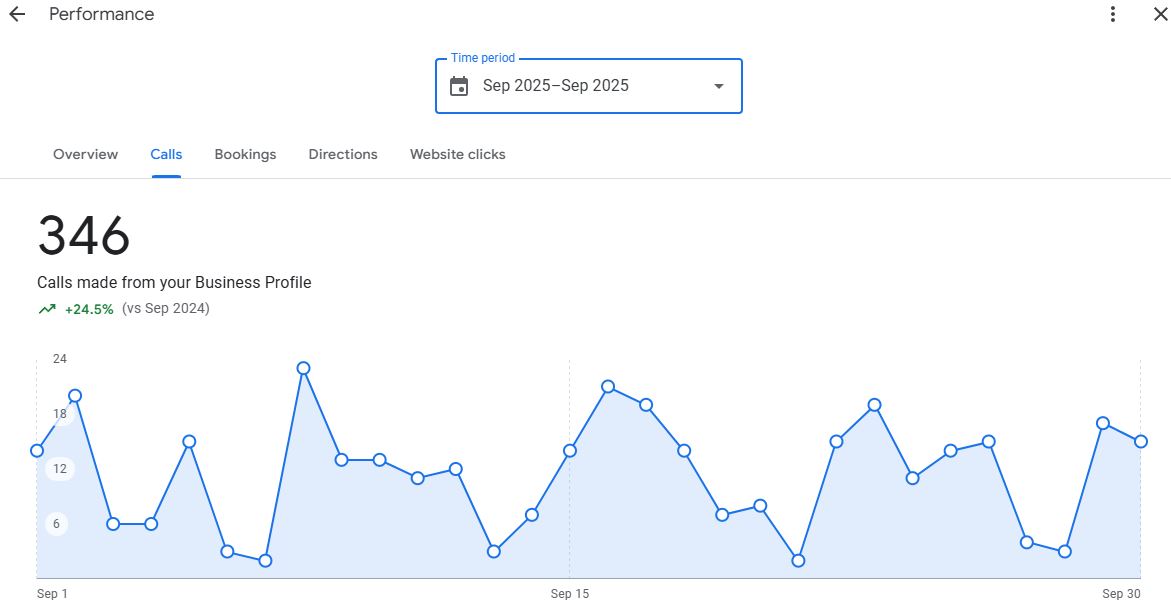
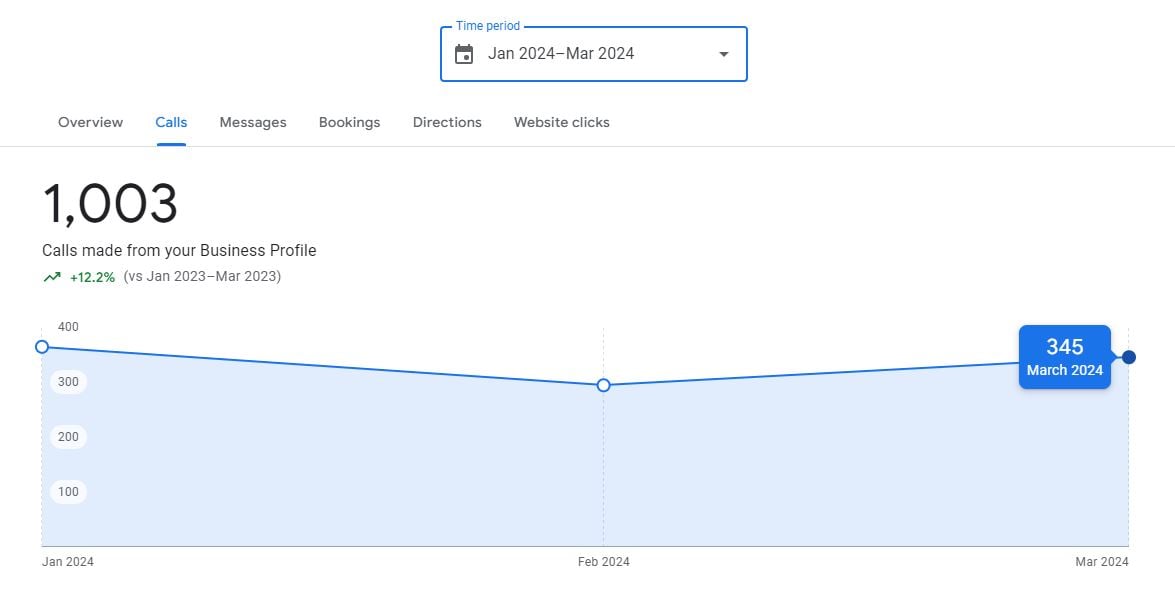
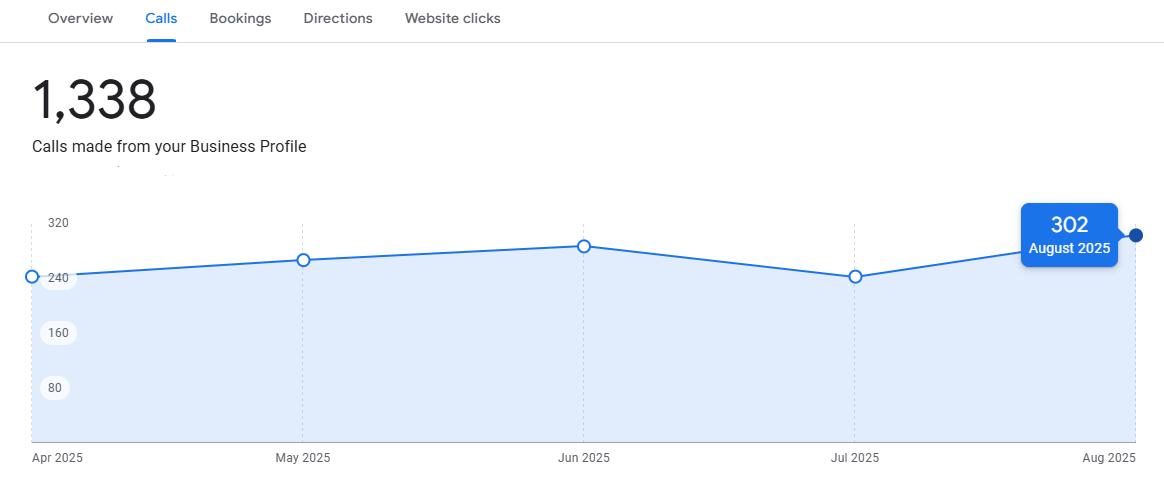
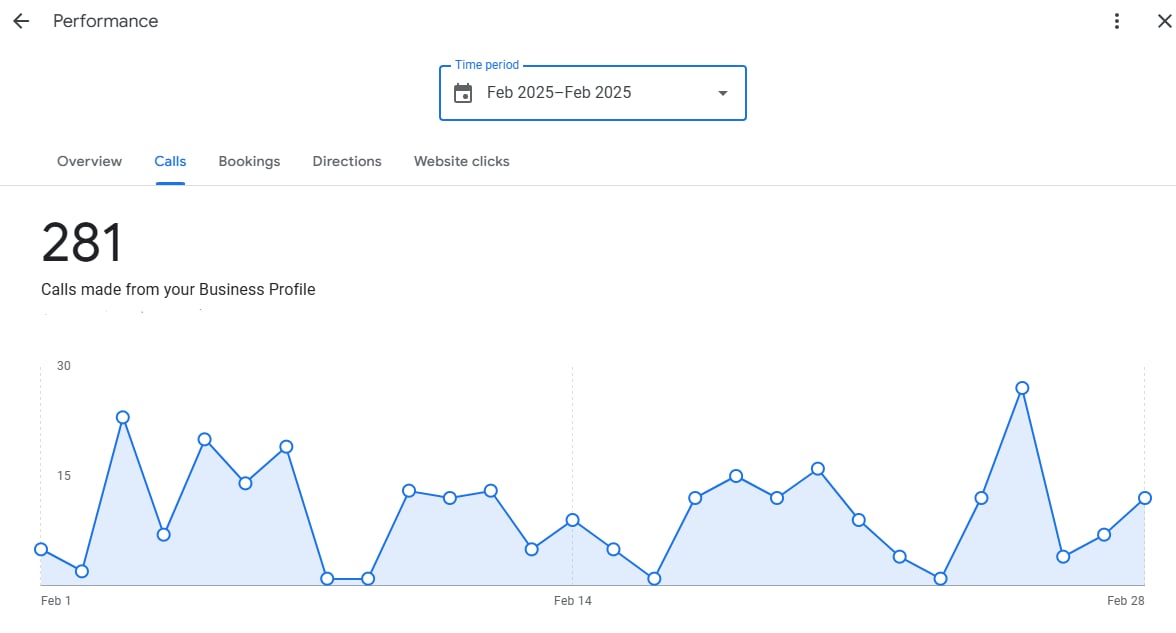
2. Track Calls from Google Business Profile

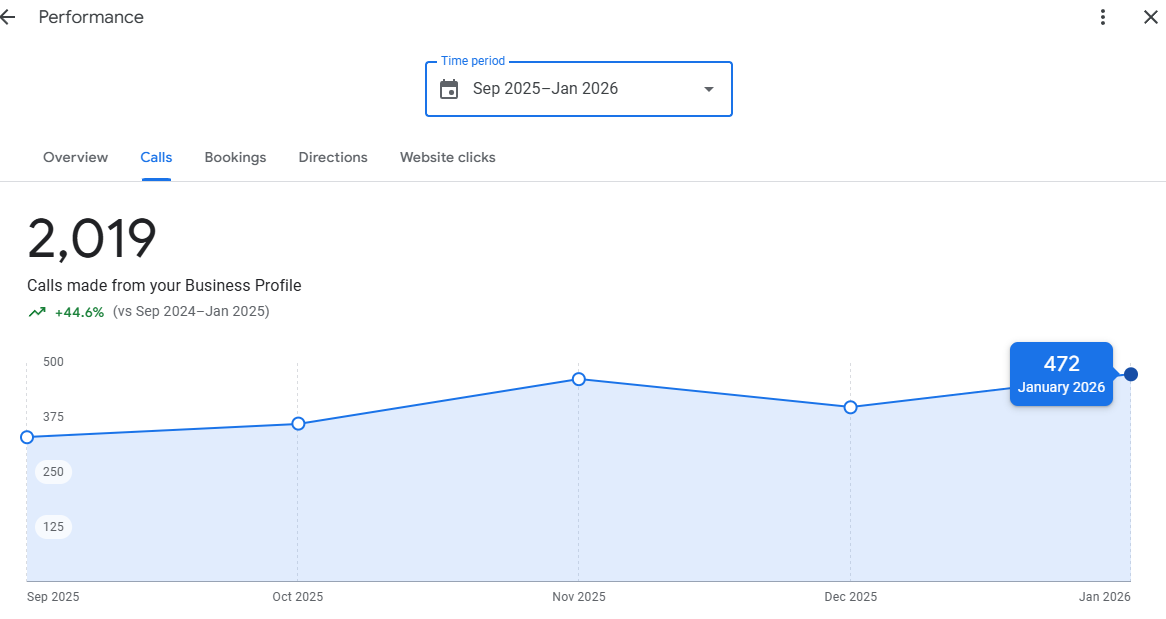
Many injury law firm calls come directly from Google Maps or local search results.

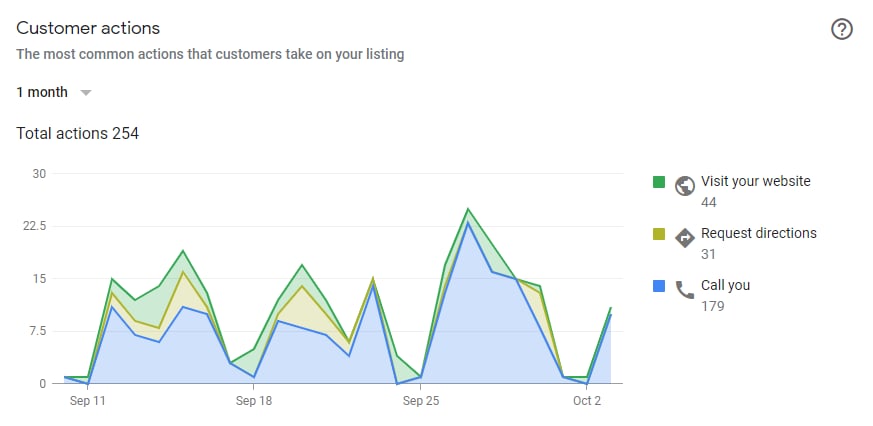
Tracking calls from a Google Business Profile is essential for measuring local SEO performance.

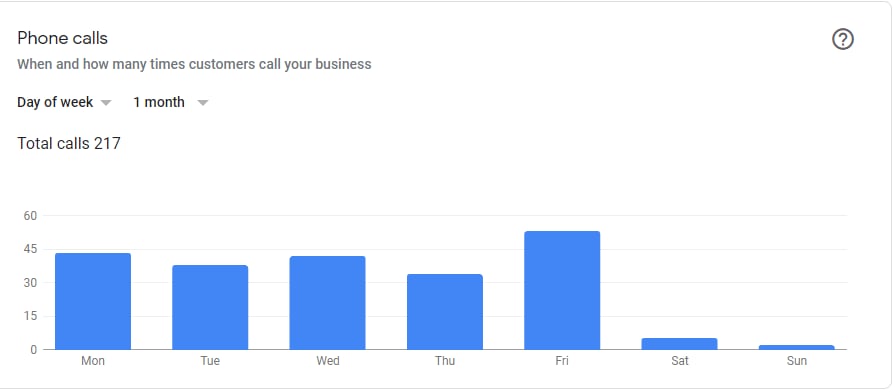
Law firms can monitor metrics such as:

  • Total calls from local search listings.
  • Peak calling hours.
  • Geographic location of callers.

These insights help firms optimize local marketing strategies.

3. Record Calls to Improve Intake Performance

Call tracking platforms often include call recording features. This allows firms to review real conversations between intake staff and potential clients.

Listening to calls helps identify opportunities to improve the intake process.

Key benefits include:

  • Training intake teams more effectively.
  • Understanding common questions from clients.
  • Improving call conversion rates.
Many law firms discover that small changes in call handling significantly increase the number of signed cases.

4. Track Calls from Offline Advertising

Offline advertising still plays an important role in injury law firm marketing.

Billboards, television ads, and radio spots often generate phone calls. Without call tracking, these channels can be difficult to measure.

By assigning unique phone numbers to offline campaigns, firms can evaluate which channels generate the most calls.

  • Billboards can be assigned specific tracking numbers.
  • Radio ads can use dedicated campaign numbers.
  • Print advertisements can include trackable phone lines.
This allows firms to confidently measure the ROI of offline marketing.

5. Identify Missed Calls and Recover Lost Leads

Every missed call represents a potential client who may contact another law firm.

Call tracking systems help firms monitor missed calls and respond quickly.

Key insights include:

  • When calls are missed most frequently.
  • Which campaigns generate high call volume.
  • Whether staffing levels match call demand.

Recovering missed calls can significantly increase case opportunities.

How Timpson Marketing Implements Call Tracking Strategies

Many injury law firms know call tracking is important, but struggle to implement it.

That is where Timpson Marketing provides strategic guidance.

Instead of simply installing call-tracking software, our team integrates it into a broader marketing strategy.

Their approach includes:

  • Strategic phone number assignment across campaigns.
  • Integration with SEO, PPC, and website analytics.
  • Call reporting dashboards for law firm leadership.
  • Conversion analysis to identify high-performing campaigns.
  • Ongoing optimization based on call data.

By combining marketing strategy with detailed call analytics, law firms gain a clear picture of how their marketing investment performs.

Turn Phone Calls Into Signed Cases

In the injury law industry, the difference between growth and stagnation often comes down to one factor: how effectively a firm converts phone calls into cases. Call tracking gives firms the visibility needed to understand which campaigns drive results and where improvements are needed.

With the right strategy in place, law firms can reduce wasted marketing spend, improve client intake, and focus on channels that consistently deliver new cases.

Ready to See Exactly Where Your Calls Come From?

Timpson Marketing helps injury law firms implement advanced call tracking strategies that connect marketing performance directly to signed cases.

If your firm wants to understand which campaigns truly drive new clients, it may be time to upgrade your marketing analytics.

Contact Timpson Marketing today to learn how smarter call tracking can transform your law firm’s marketing performance.


Frequently Asked Questions

1. Can call tracking show peak call times?

Yes, and this insight often surprises law firms. Call tracking logs the exact time each call occurs. When reports accumulate, patterns become obvious. Maybe calls spike after work hours. Maybe mornings stay quiet. Understanding these patterns helps adjust staffing so every potential client gets a quick response.

2. What are dynamic tracking numbers?

Dynamic tracking numbers change based on how someone arrives at your website. A visitor from Google Ads sees one number. A visitor from organic search sees another. All the numbers route to the same office line. The difference happens in the tracking data. This setup helps law firms accurately measure digital marketing performance.

3. Can call tracking measure offline advertising?

Yes, and that is one of its biggest advantages. Offline campaigns often feel hard to measure. Think billboards, TV spots, or radio ads. Assign a unique phone number to each one. When the phone rings, the system identifies the source. Suddenly, you know whether those offline campaigns actually drive real calls.

4. Does call tracking record phone conversations?

Many call tracking systems include call recording features. This lets firms review actual conversations with potential clients. Listening to calls reveals a lot. You hear common questions, concerns, and objections. That insight becomes valuable training material. Over time, better conversations often lead to higher case conversion rates.

5. How does call tracking improve intake performance?

Call recordings provide a clear window into the intake process. You hear what works and what falls flat. Maybe staff rush callers or miss important questions. Small adjustments make a huge difference. Training becomes easier because you use real conversations. Stronger intake conversations often turn more callers into signed clients.

6. Can call tracking integrate with Google Analytics?

Yes, most call tracking platforms integrate directly with Google Analytics. This connection brings call data into your marketing reports. Now you can compare website traffic and phone calls side by side. That insight helps you better understand visitor behavior. It also shows which marketing campaigns turn clicks into actual conversations.

7. Is call tracking helpful for SEO campaigns?

Call tracking gives SEO campaigns a clearer scorecard. Instead of measuring only website traffic, you track real calls. That difference matters. Traffic alone does not sign clients. Phone calls often do. When certain pages generate more calls, you know your SEO strategy is working in the right direction.

8. Does call tracking affect local SEO rankings?

It does not hurt rankings when configured correctly. The key is maintaining consistent business information across directories. Most tracking platforms handle this automatically. Your primary phone number remains listed online. Tracking numbers simply help measure campaign performance. When implemented properly, local search visibility stays intact.

9. How do injury law firms track calls from Google Maps?

Google Business Profile includes built-in call tracking features. These reports show how many calls come directly from local search listings. Some marketing platforms connect additional tracking numbers to those listings. That creates more detailed reports. Over time, law firms learn how many potential clients discover them through local search.

10. Can call tracking help identify missed calls?

Yes, it clearly highlights missed calls. Many firms discover missed opportunities they never noticed before. Maybe calls come in after hours. Maybe the staff gets overwhelmed during busy periods. The data reveals those patterns. Once identified, firms can adjust schedules or call routing to capture more potential clients.

11. How many tracking numbers should a law firm use?

The number depends on how many campaigns you run. Each major marketing channel should have its own number. That might include Google Ads, SEO, social media, and billboards. Some firms also track individual campaigns. The goal is simple. Separate numbers create cleaner data and clearer marketing insights.

12. Is call tracking difficult to implement?

Most platforms are surprisingly simple to set up. A short code snippet can be installed on your website. Tracking numbers then rotate automatically. However, the strategy matters more than the software. Poorly structured tracking creates messy data. A well-planned setup gives law firms accurate insights they can actually use.

13. What metrics can law firms track with call tracking?

Call tracking captures much more than just call counts. It records call duration, caller location, and time of day. Some systems even analyze conversation keywords. Those details reveal important patterns. For example, you might discover peak calling hours. That information helps adjust staffing and improve response times.

14. Does call tracking improve marketing ROI?

Yes, because it removes the guesswork from marketing decisions. Once you see which campaigns drive real calls, managing spending becomes easier. Strong channels get more investment. Weak ones get adjusted or removed. Over time, that simple shift improves return on investment across your marketing efforts.

15. Can call tracking reduce wasted advertising spend?

Absolutely. Many firms unknowingly pour money into campaigns that rarely generate calls. Call tracking quickly exposes those weak spots. When data reveals poor performance, you can shift budgets immediately. Instead of guessing, you rely on real numbers. That adjustment often saves significant marketing dollars.

16. Is call tracking compliant with privacy laws?

Yes, but firms must follow basic disclosure rules. Many states require notifying callers if conversations are recorded. A simple recorded message usually handles this requirement. Most tracking platforms include built-in compliance options. Still, law firms should review local regulations. Staying transparent with callers protects both the firm and the client.

17. Can small injury law firms benefit from call tracking?

Small firms often benefit the most. Marketing budgets are usually tighter. That means every dollar matters. Call tracking reveals which efforts actually generate leads. Instead of spreading money everywhere, smaller firms focus on what works. That efficiency helps them compete with much larger firms.

18. How can law firms choose the best call tracking strategy?

Start by reviewing your marketing channels. Identify where most leads currently come from. Then assign tracking numbers to each major source. Integration with analytics platforms also helps. Good reporting dashboards make the data easier to understand. The best strategy is the one that clearly connects calls to marketing performance.

19. Can call tracking reveal which keywords drive phone calls?

Yes, especially when connected to paid search campaigns. The system links calls to specific keywords or ad groups. That insight changes how you view keyword performance. Some keywords generate clicks but no calls. Others trigger real conversations. Knowing that difference helps law firms focus on keywords that attract serious prospects.

20. How quickly can law firms see results from call tracking?

Data collection begins almost immediately after setup. Within a few days, patterns usually start appearing. You may notice certain campaigns generate more calls than others. After a few weeks, the trends become clearer. Over time, this information becomes extremely valuable for long-term marketing planning.