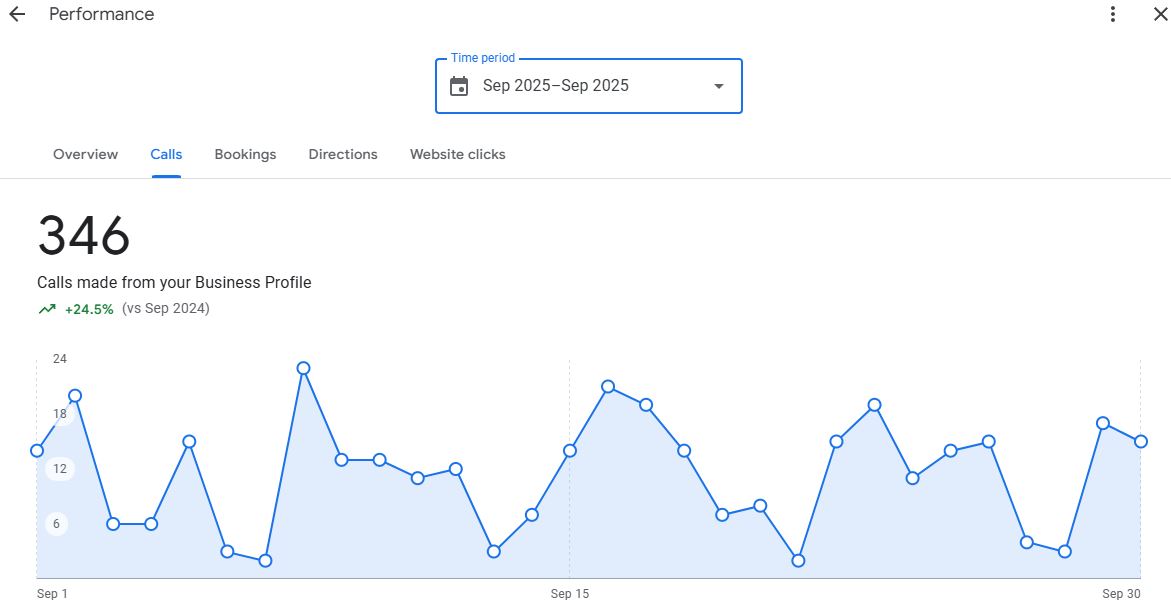
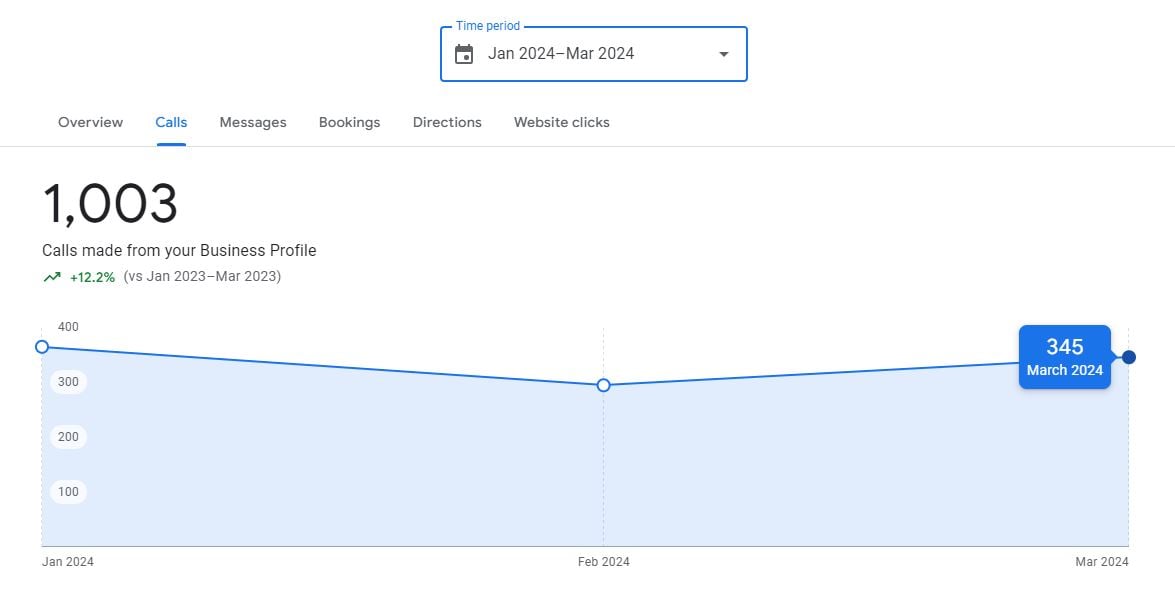
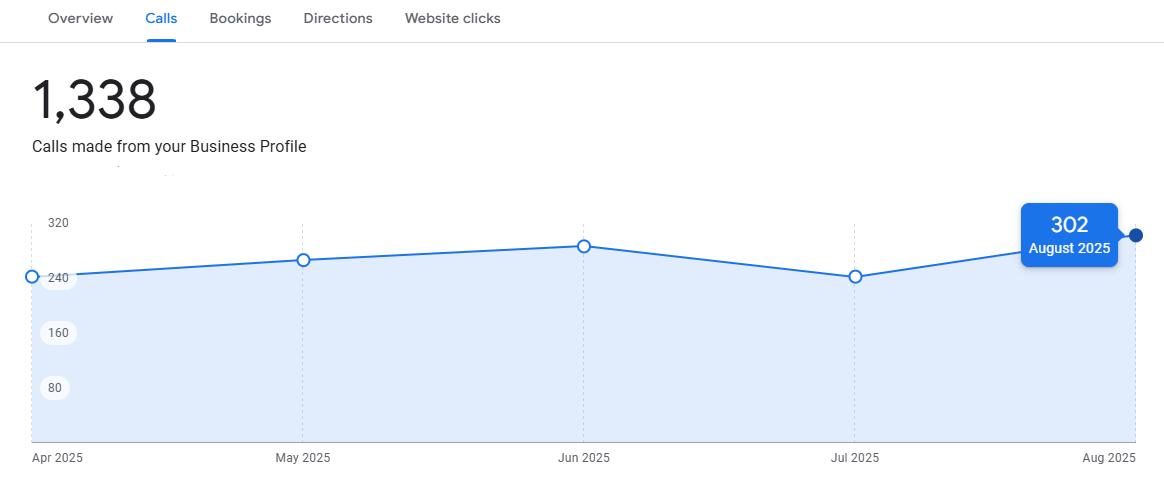
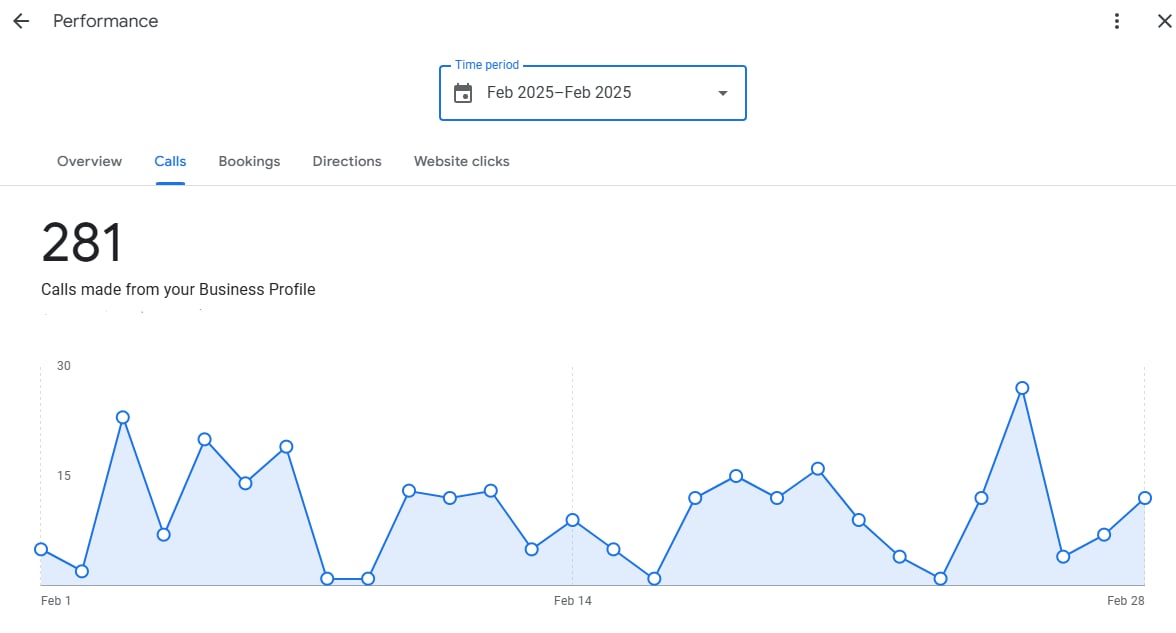
Growing a personal injury law firm to seven figures is a major milestone. Yet many firms quickly discover that getting to the next level requires more than simply increasing ad spend or publishing more content. Sustainable growth demands a smarter, data-driven digital strategy. A smarter digital strategy helps injury law firms move beyond inconsistent lead flow and toward predictable case generation, stronger brand authority, and scalable revenue growth.

In this guide, we’ll explore the digital strategies that help law firms move from six figures to consistent seven-figure performance and beyond. Then we’ll show how Timpson Marketing executes these strategies for injury law firms seeking long-term growth.

Why Digital Strategy Determines Law Firm Growth

Many personal injury firms rely on a combination of referrals, advertising, and organic search traffic. While these channels can produce results, they often operate without a clear system.

A structured digital strategy aligns marketing efforts with firm growth goals. Instead of random campaigns, successful firms focus on coordinated initiatives that drive measurable results.

Key components of scalable legal marketing include:

  • Search engine visibility that actively attracts injury victims seeking legal help
  • Conversion-focused websites designed to turn visitors into consultations
  • Paid advertising campaigns that generate immediate case inquiries
  • Local SEO strategies that dominate geographic markets
  • Data tracking systems that measure real case generation

When these elements work together, firms create a marketing engine capable of consistent growth.

The Digital Challenges That Limit Law Firm Growth

Even successful injury firms encounter obstacles when scaling.

Some of the most common growth barriers include:

  • Unpredictable lead flow from inconsistent marketing efforts
  • Overreliance on referrals instead of scalable digital channels
  • High advertising costs without measurable ROI
  • Low website conversion rates
  • Limited visibility in competitive local markets

Addressing these issues requires a smarter approach to digital strategy.

Core Digital Strategies That Scale Personal Injury Firms

1. Dominating Local Search Visibility

When someone searches for a personal injury attorney, they usually start with a local search. Appearing in those results is critical for lead generation.

Strong local SEO involves several elements:

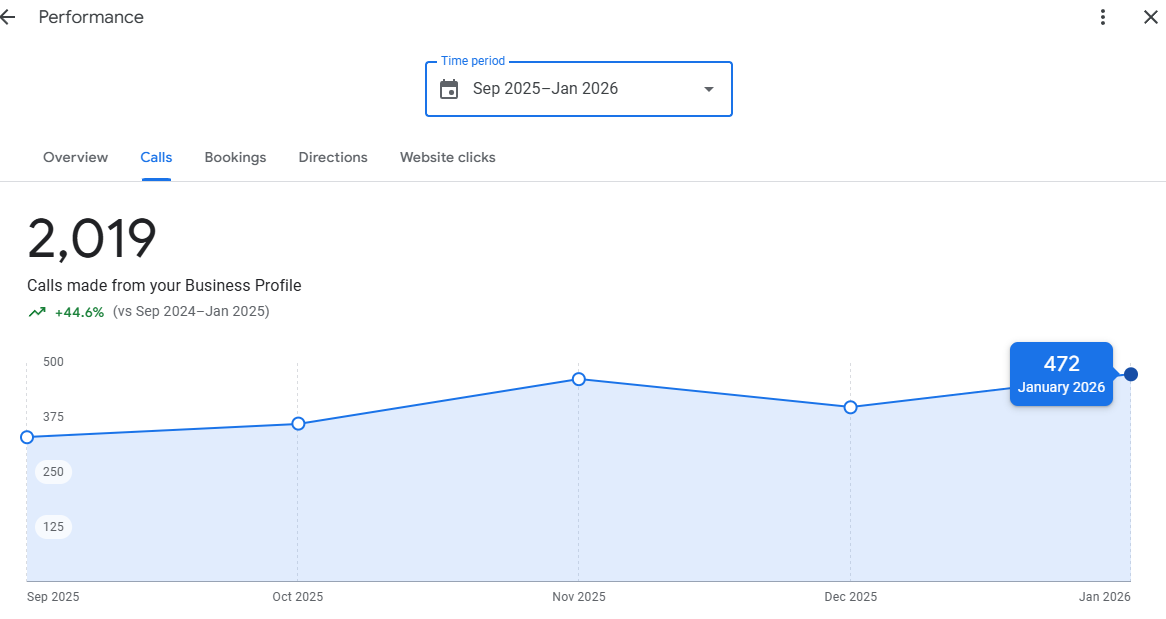
  • Optimizing Google Business profiles for maximum visibility
  • Creating location-specific practice area pages
  • Building authoritative local citations
  • Encouraging positive client reviews

Firms that dominate local search results often generate a steady flow of high-intent leads.

2. Building Authority Through SEO Content

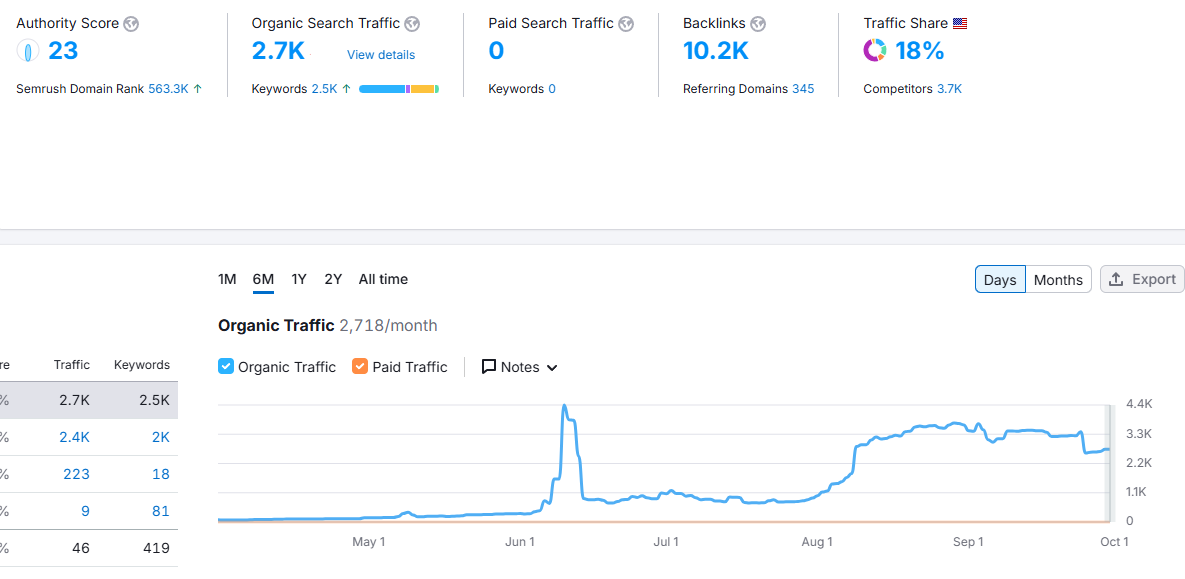
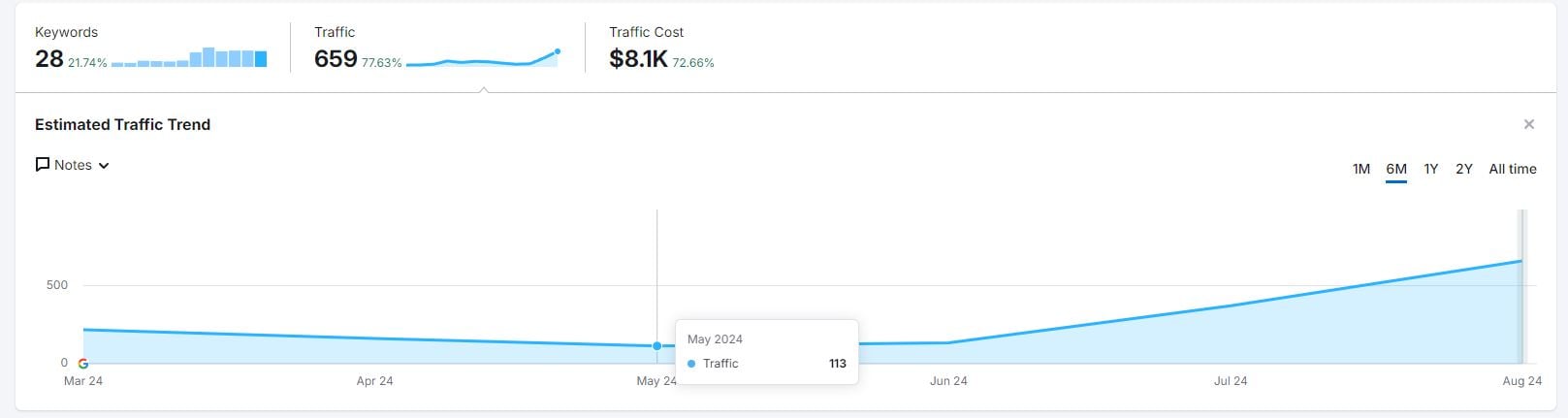
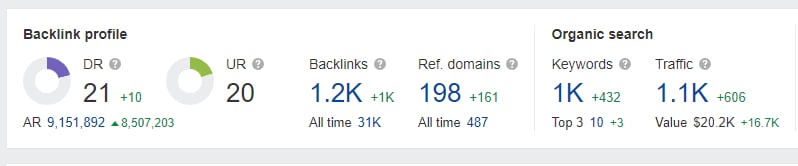
Search engines prioritize websites that provide valuable information for users. High-quality content helps injury law firms establish authority and capture organic traffic.

Effective SEO content strategies include:

  • Detailed legal guides answering common injury questions
  • Practice area pages optimized for high-value keywords
  • Educational blog posts targeting search queries
  • Structured content that improves search visibility
Over time, strong SEO content becomes a powerful channel for case acquisition.

3. Conversion-Focused Website Design

Traffic alone does not generate cases. A law firm’s website must guide visitors toward contacting the firm.

Effective legal websites include:

  • Clear messaging that explains how the firm helps injury victims
  • Prominent consultation request forms
  • Visible phone numbers and call-to-action buttons
  • Trust signals such as case results and client testimonials

These elements transform website visitors into case inquiries.

4. Strategic Paid Advertising Campaigns

While SEO generates long-term growth, paid advertising delivers faster results. Well-managed campaigns help firms capture immediate opportunities.

Common advertising channels include:

  • Google Ads targeting high-intent injury keywords
  • Local service ads for attorney searches
  • Remarketing campaigns that re-engage potential clients
  • Paid social campaigns that increase brand awareness

Combining advertising with SEO allows firms to capture both immediate and long-term opportunities.

5. Data-Driven Marketing Decisions

Scaling a law firm requires understanding which marketing channels produce real cases.

Without tracking systems, firms may spend heavily without knowing what works.

Data-driven marketing relies on:

  • Call tracking software that identifies lead sources
  • Analytics platforms that measure website engagement
  • CRM systems that connect leads to signed cases
  • ROI reporting that guides future marketing investment

With reliable data, firms can confidently scale winning strategies.

How Timpson Marketing Helps Injury Law Firms Scale

Many law firms understand the importance of digital marketing but struggle to implement it. Our team develops integrated marketing systems tailored to personal injury firms.

1. Strategy Development

Timpson Marketing begins by evaluating each firm’s current digital presence.

  • Market analysis to identify growth opportunities
  • Competitor research to uncover strategic advantages
  • Keyword analysis targeting high-value case searches
This research serves as the foundation for the growth plan.

2. Website and SEO Execution

Next, the team builds a strong organic search presence.

  • SEO-optimized practice area pages
  • Educational blog content designed for search visibility
  • Technical SEO improvements for performance and indexing

These strategies increase long-term search traffic.

3. Paid Advertising Optimization

Timpson Marketing also manages advertising campaigns designed to generate qualified case inquiries.

  • High-intent keyword targeting
  • Conversion-focused landing pages
  • Continuous campaign optimization

This ensures advertising budgets produce measurable results.

4. Marketing Performance Tracking

Finally, the agency connects marketing data with case outcomes.

  • Lead source attribution
  • Case conversion analysis
  • Detailed ROI reporting


These insights help law firms scale confidently.

Ready to Scale Your Injury Law Firm?

Growing a seven-figure personal injury firm requires more than effort. It requires strategy. If your firm is ready to move beyond inconsistent lead flow and build a scalable digital growth strategy, now is the time to act.

Schedule a strategy consultation with Timpson Marketing and discover how smarter digital strategy can take your firm to the next level.

Frequently Asked Questions

1. How does client intake affect whether digital marketing actually converts into cases?

Your intake team is the bridge between marketing and signed clients. If calls go unanswered, good leads disappear quickly. If intake conversations feel rushed, potential clients keep searching. A smooth intake process builds trust immediately. That simple improvement can dramatically increase case sign-ups.

2. What role does follow-up play when potential clients contact a law firm online?

Not every visitor hires a lawyer on the first call. Some people need time to think or speak with family. Quick follow-up keeps your firm top of mind. A simple email or callback can reopen the conversation. Many signed cases actually come from a strong follow-up.

3. How can law firms identify digital channels that bring serious injury cases?

Look closely at the cases themselves, not just lead counts. Some channels produce minor claims. Others attract more severe injuries with higher value. Tracking case type alongside lead sources reveals the pattern. That insight helps you invest where serious cases originate.

4. Why do some law firm websites attract traffic but still fail to generate inquiries?

Traffic alone does not equal trust. Visitors need to feel confident before reaching out. If the website feels generic, they hesitate. Clear explanations and real case stories change that. People contact firms that feel experienced and approachable.

5. How does competition influence digital strategy for injury law firms?

Competition affects both visibility and cost. In larger cities, advertising prices climb quickly. Search rankings also become harder to win. That pressure forces firms to become more strategic. Smart positioning often matters more than bigger marketing budgets.

6. Why do some firms struggle after their marketing suddenly starts working?

Growth creates operational pressure. More leads mean more calls and consultations. If the firm cannot respond quickly, opportunities disappear. Marketing success requires operational readiness. Systems must support increased case demand.

7. What signals show that a law firm’s digital brand is becoming stronger?

You begin hearing familiar comments from new clients. They mention seeing the firm multiple times online. Some already recognize your name before calling. That repetition builds credibility. Strong brand recognition quietly increases conversion rates.

8. How can attorneys balance marketing growth with maintaining case quality?

Growth should never mean accepting every inquiry. Clear case criteria protect your firm’s focus. Intake staff should understand those standards. That way, marketing continues generating leads while the firm selects the right cases.

9. Why do potential clients sometimes contact multiple law firms before choosing one?

Injury cases are stressful decisions. People want reassurance before committing. They often compare responses, communication style, and professionalism. The firm that responds clearly usually stands out. First impressions matter more than most lawyers expect.

10. How does storytelling influence digital marketing for injury lawyers?

People connect with stories more than legal language. Real case experiences show how a lawyer actually helps clients. Those stories make the outcome feel possible. When visitors relate emotionally, contacting the firm feels easier.

11. What operational changes help law firms handle increased digital leads?

The biggest improvement is organized communication. Shared intake notes keep everyone informed. Quick scheduling prevents delays. Clear workflows also reduce confusion. These small adjustments help the firm respond confidently as lead volume grows.

12. Why do some digital marketing campaigns attract the wrong case types?

The problem usually starts with unclear messaging. Broad keywords attract many unrelated searches. Visitors click but do not match your services. Refining language and targeting fixes that issue. Clear messaging naturally filters the right cases.

13. How can attorneys personally contribute to stronger online visibility?

Your expertise matters more than you think. Sharing insights, answering questions, and explaining cases builds authority online. Search engines notice that activity. Potential clients also appreciate genuine expertise. Authentic contributions strengthen digital credibility.

14. What mindset shift helps law firms grow beyond seven figures?

Growth requires thinking like a business owner, not only a lawyer. Systems matter as much as legal skill. Marketing, intake, and operations must work together. When those parts align, scaling becomes far more realistic.

15. Why does trust matter more than aggressive advertising in legal marketing?

Injured clients are vulnerable and cautious. Flashy ads may attract attention, but rarely create confidence. People want reassurance from a real professional. Honest communication builds that comfort. Trust converts far better than aggressive promotion.

16. How do returning website visitors influence marketing success?

Returning visitors show genuine interest. They may be researching before making a decision. When someone comes back several times, trust is forming. That behavior often leads to a consultation request.

17. What small website changes can improve client engagement quickly?

Simple adjustments often work best. Clear contact buttons help visitors act quickly. Short explanations improve understanding. Real photos also create authenticity. These small details make the website feel more trustworthy.

18. Why do some law firms underestimate the power of consistency in marketing?

Marketing results compound slowly. A single campaign rarely creates a lasting impact. Consistent visibility builds familiarity over time. Eventually, the firm becomes recognizable. That steady presence drives reliable lead flow.

19. How can law firms evaluate whether digital growth is sustainable?

Look beyond one strong month. Sustainable growth appears as steady increases over time. Lead quality should remain consistent as volume grows. Revenue patterns also stabilize. Those signals show the system is working.

20. What long-term habits help law firms maintain digital momentum?

The key habit is regular evaluation. Review marketing performance frequently. Adjust strategies when patterns change. Stay engaged with the process. Consistent attention keeps digital growth moving forward.