What does an SEO agency actually do for my business?
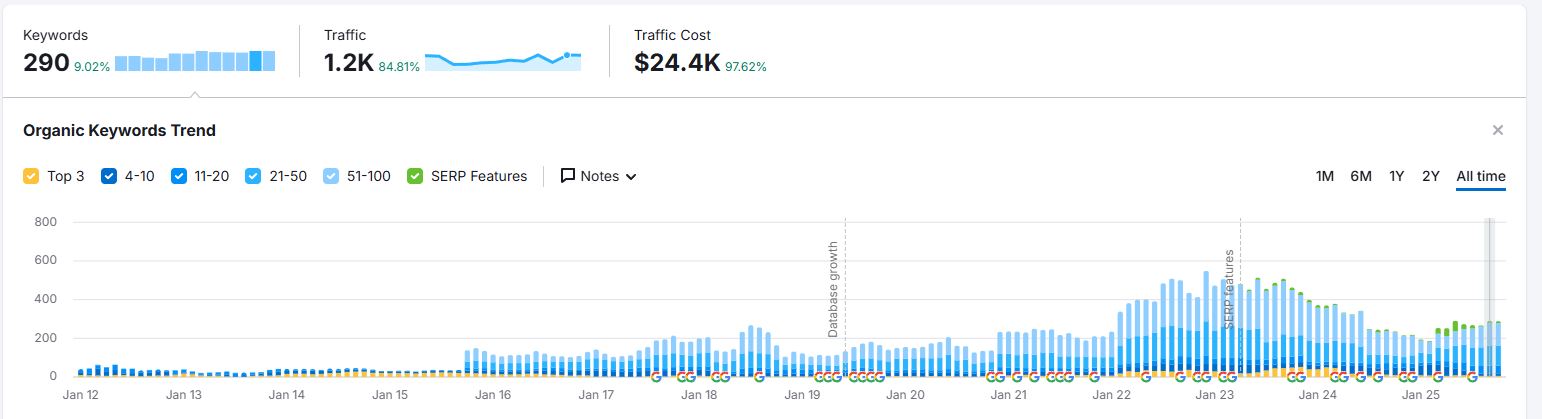
We make your business visible in Google's organic search results. We research the keywords your potential customers are searching, optimize your website's technical structure and content to rank for those terms, and build authority through backlinks and citations. The result: more qualified traffic from people actively searching for what you offer, without paying per click. SEO is a long-term investment that compounds — traffic grows steadily over 6–12 months and continues delivering for years.
What is "AI marketing" and why do I need it now?
AI marketing is the next layer on top of SEO. Your customers increasingly search by asking ChatGPT, Gemini, Perplexity, and Claude — not by typing into Google. AI marketing makes sure those answers cite your business. It includes generative engine optimization (GEO), entity-rich schema, AI content systems, custom GPTs, and chatbots. The agencies still doing only "blogs + backlinks" are losing visibility every quarter. We rebuilt our playbook for this.
How long does SEO take to show results?
Most clients see meaningful traffic improvements within 4–6 months, faster for "quick win" optimizations (60–90 days). Competitive industries take longer. We're transparent: during your free AI audit we tell you exactly what timeline is realistic for your industry, your domain authority, and how aggressively we can ship improvements.
What makes Timpson Marketing different?
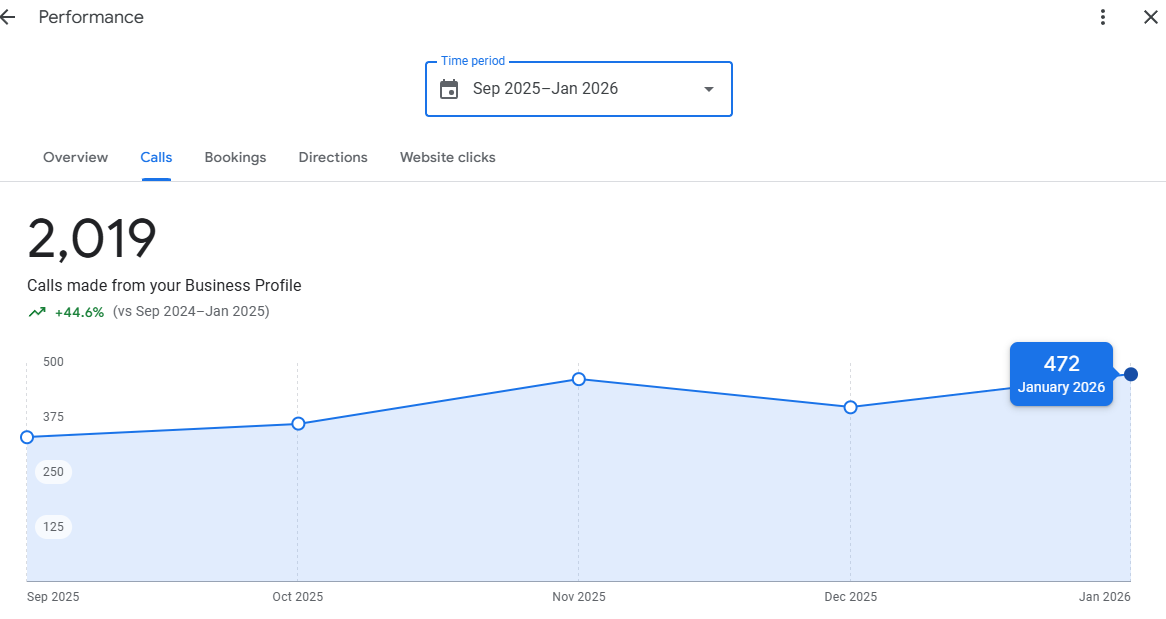
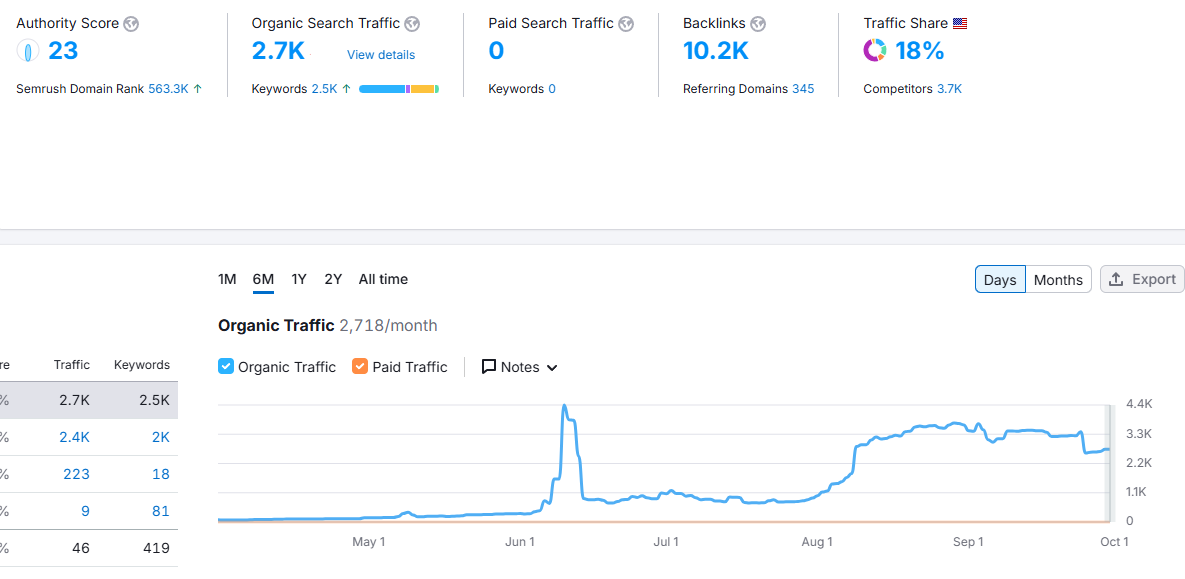
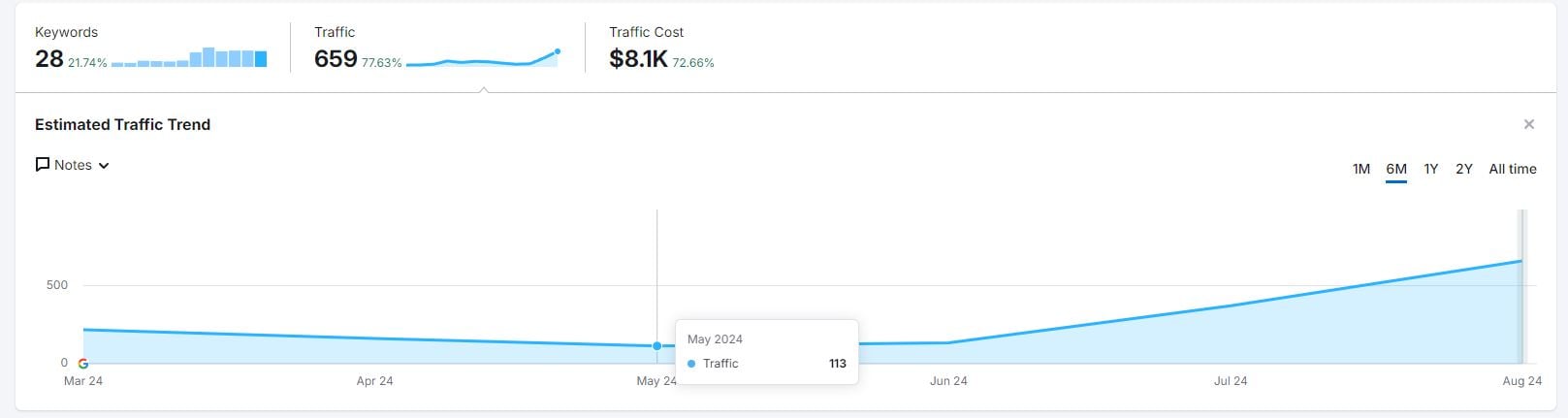
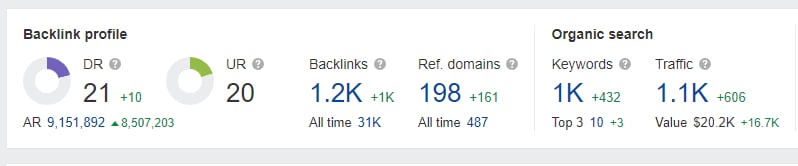
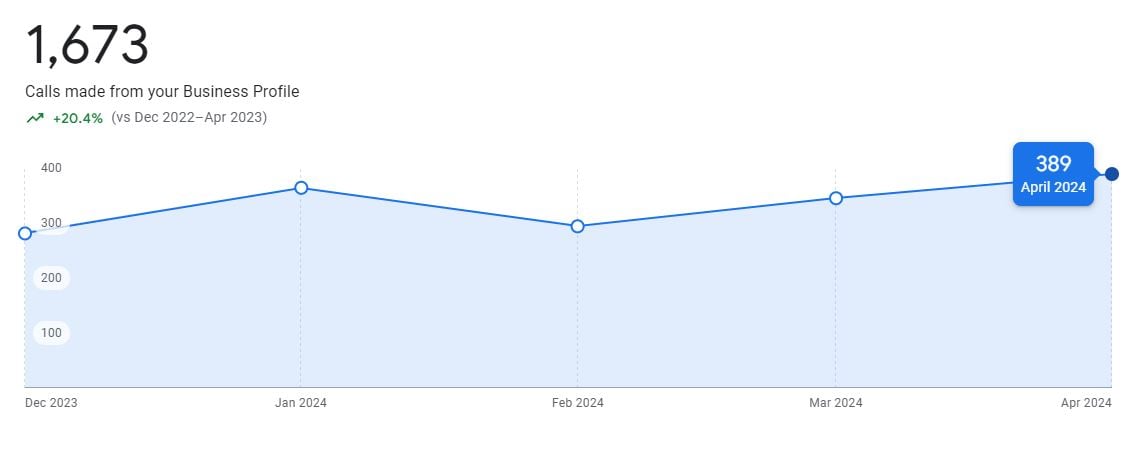
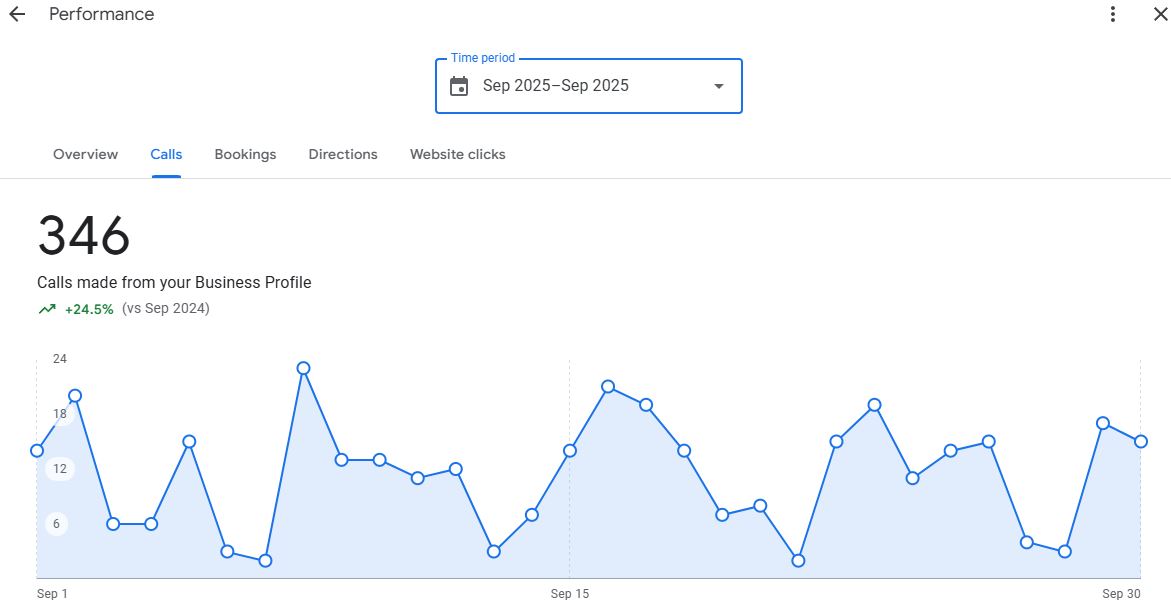
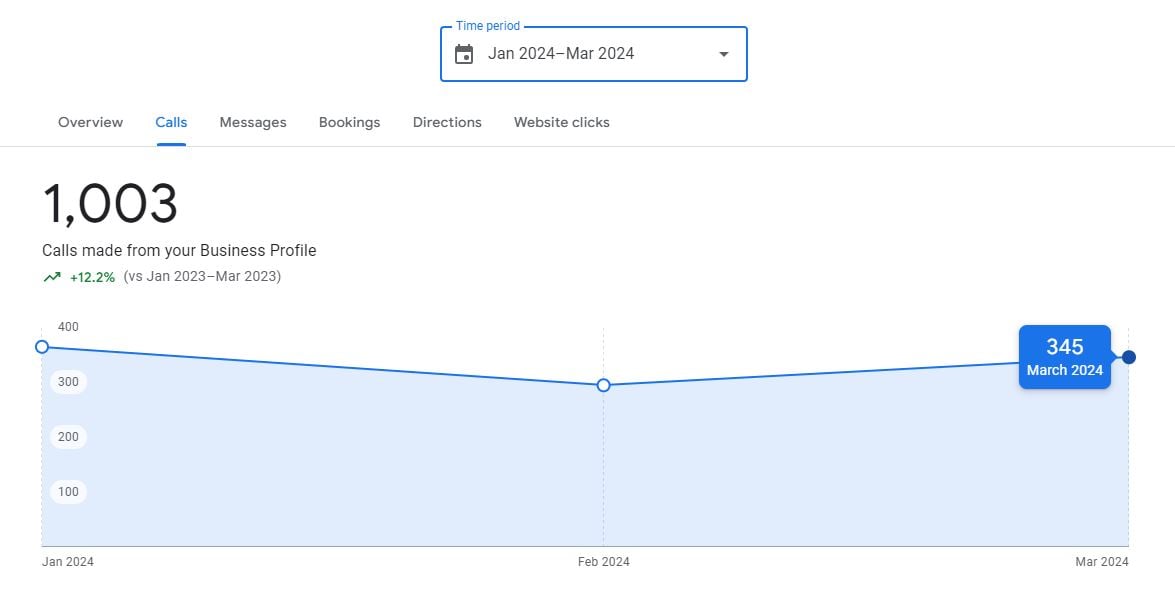
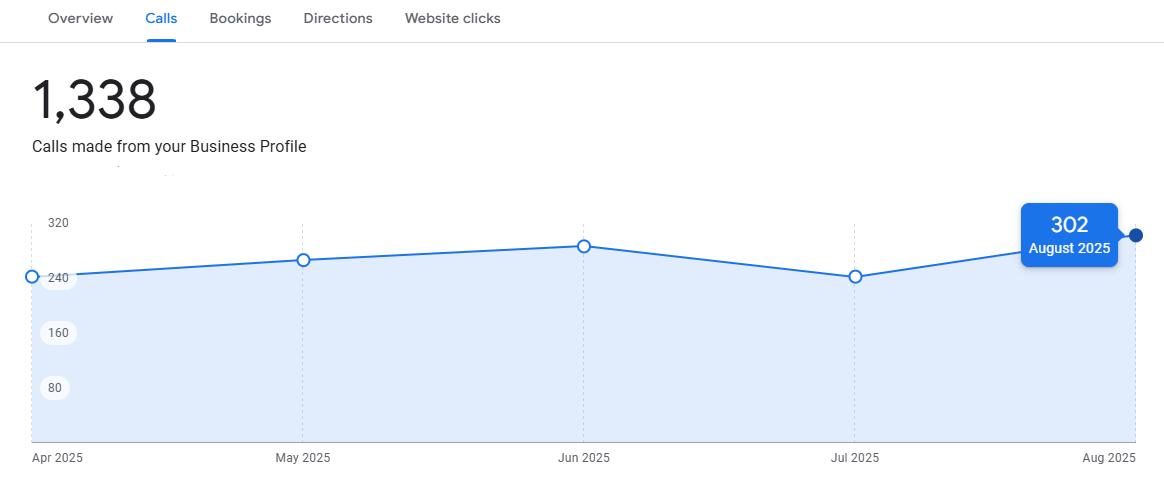
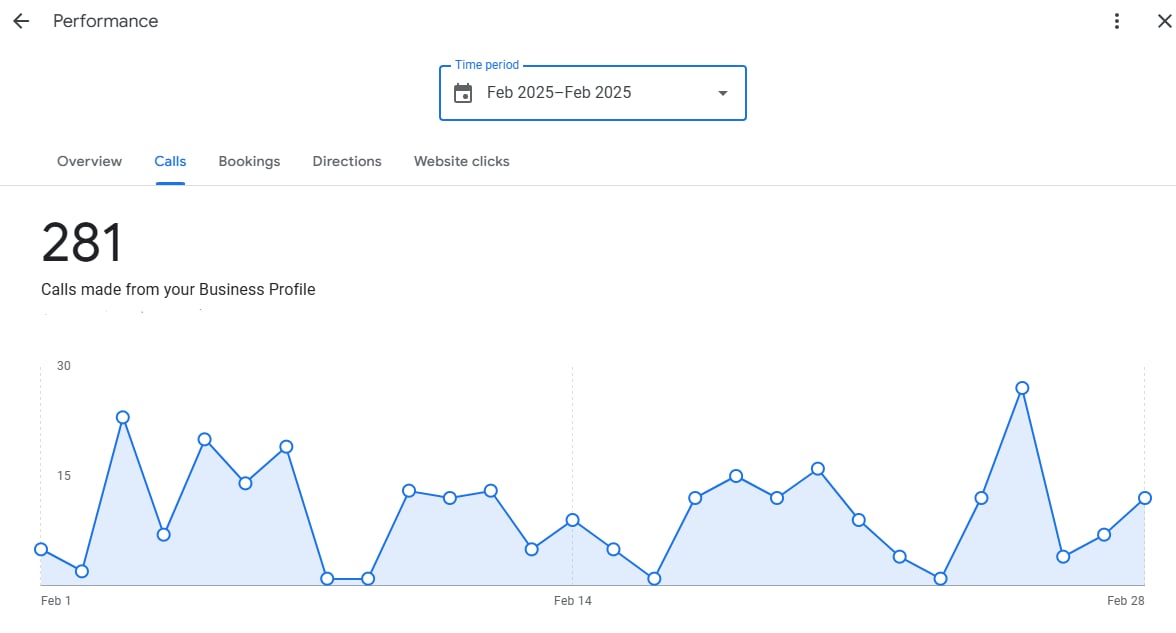
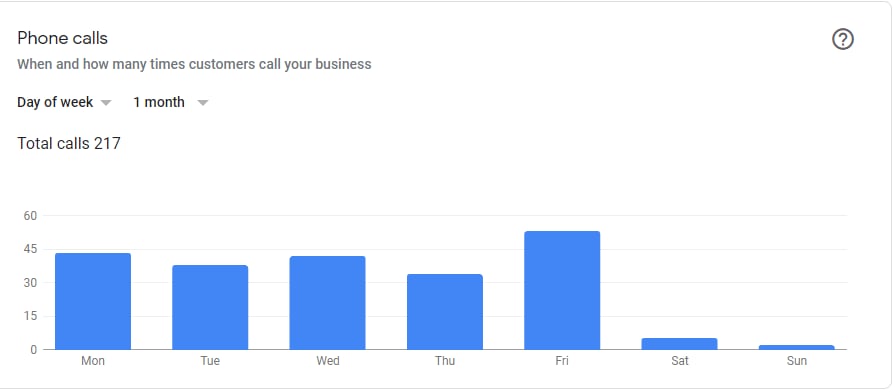
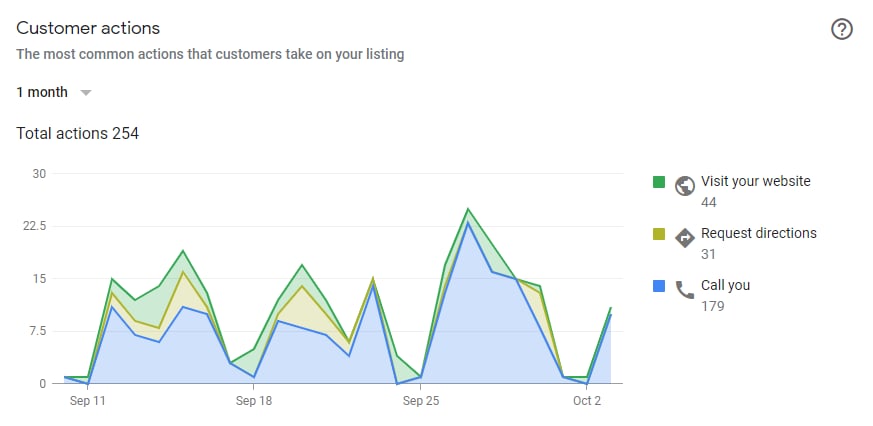
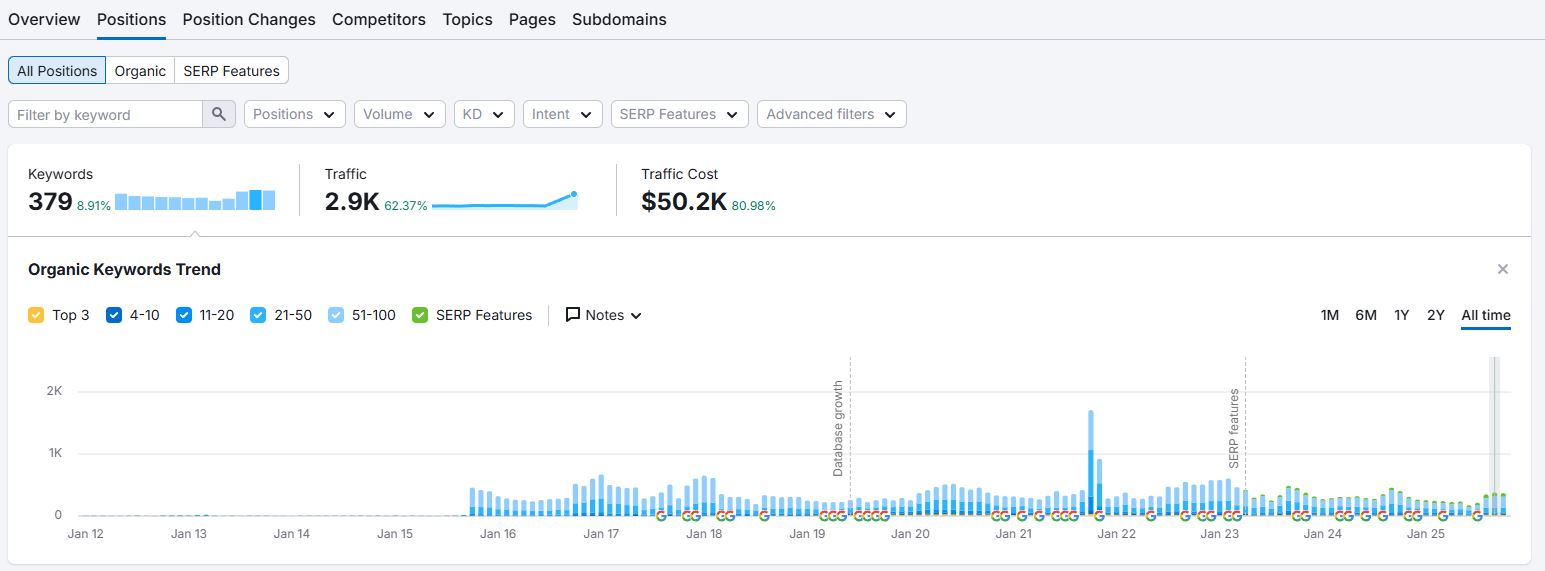
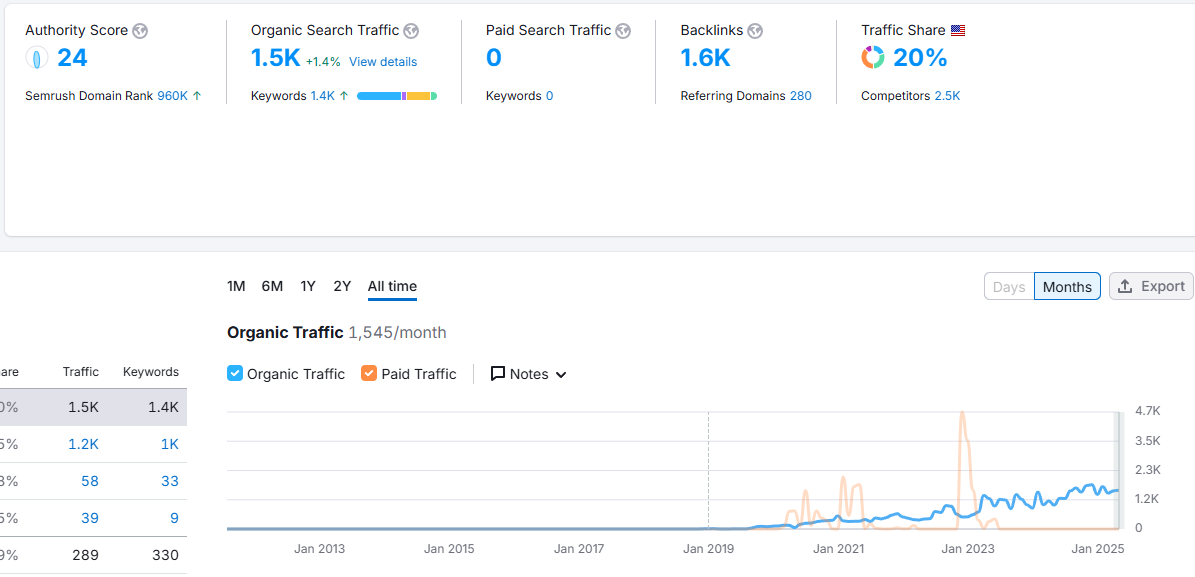
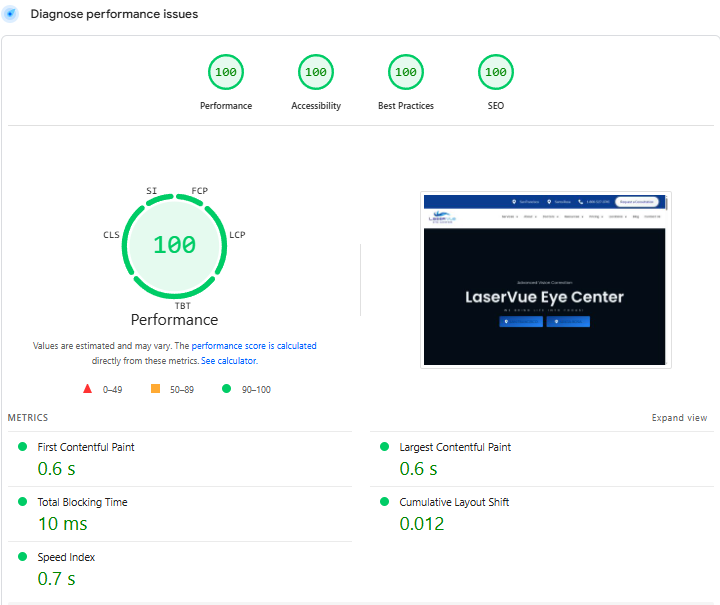
Three things. (1) We lead with AI — both as a tool for our analysis and as a service for your visibility. Most agencies are still selling 2018 playbooks. (2) Joseph is hands-on in every single account. You don't get bounced to a junior. (3) We show you real screenshots, real numbers, real attribution — every report. No vanity metrics. No fluff.
How much does this cost?
SEO retainers run $2,500–$8,000/mo depending on industry competitiveness. Paid ad management is 12–15% of spend with a $2,000/mo minimum. AI marketing & GEO starts at $2,500/mo (Foundation), with Authority at $6,500/mo as our most popular tier and Dominance at $12,500/mo for market leaders. Full-stack growth bundles start around $8,500/mo. Every engagement opens with a free 14-day audit so you see the real opportunity before committing budget.
Do you guarantee rankings?
No, and any agency that does is making promises they can't keep. What we guarantee is honest work, transparent reporting, documented progress, and a strategy we'll change if it isn't moving the needle. We measure success by traffic and leads, not ranking positions, because rankings only matter if they drive business results.
Can you help businesses outside of Utah?
Yes. We're based in St. George, Utah, but we work with clients across the country. The SEO and AI marketing principles travel — only local SEO strategy is geographically specific. We've grown service businesses, e-commerce brands, B2B firms, and franchises in dozens of markets.
How do I get started?
Start with the free AI SEO audit. 10-minute intake call, week-long deep analysis, then a video walkthrough of exactly what we found, what the opportunity is worth, and what we'd do first. No pressure, no commitment. If we're a fit, we move forward. If not, you keep the audit and the roadmap.