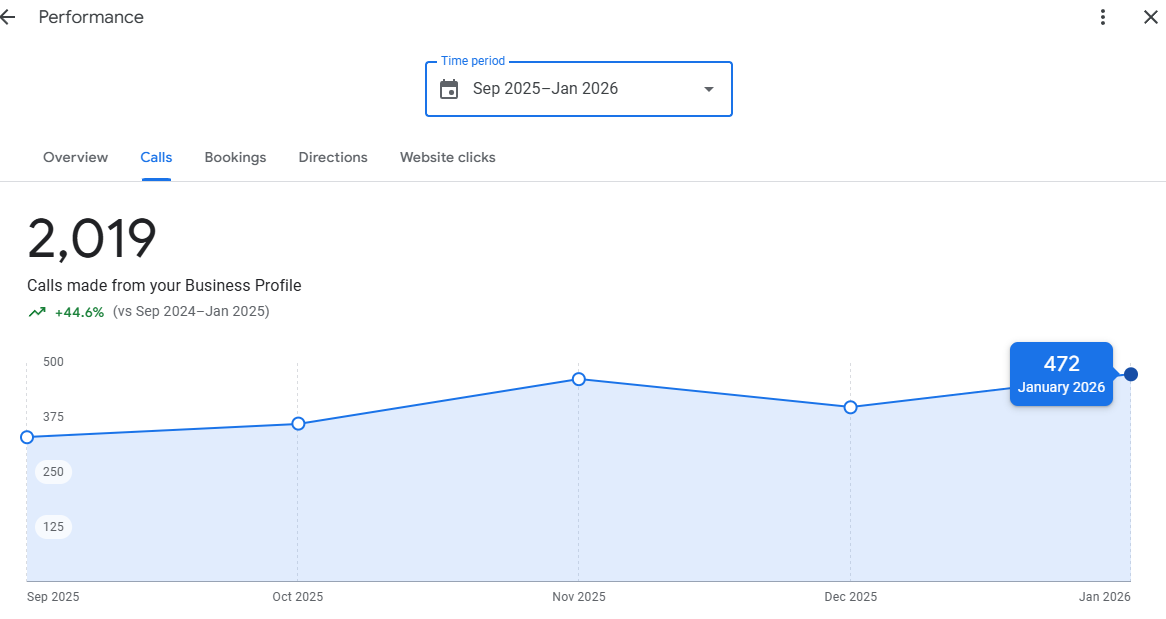
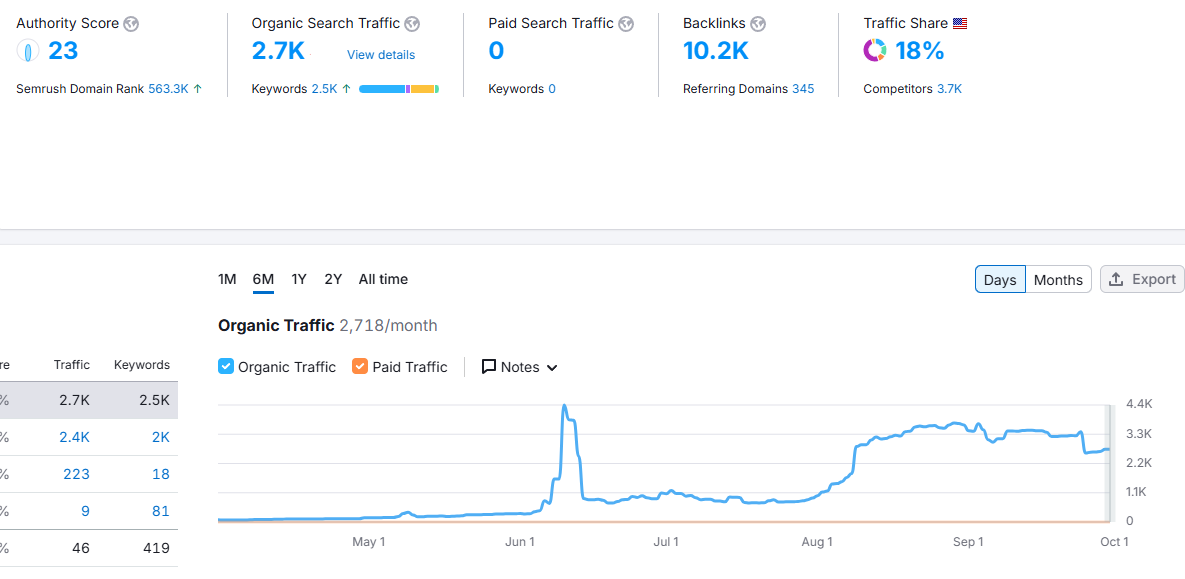
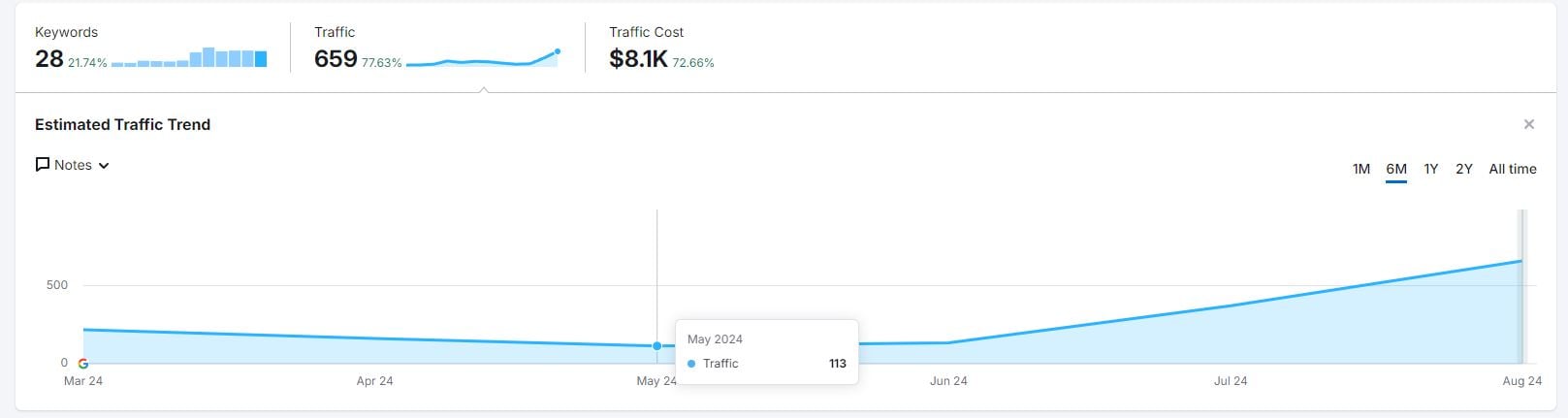
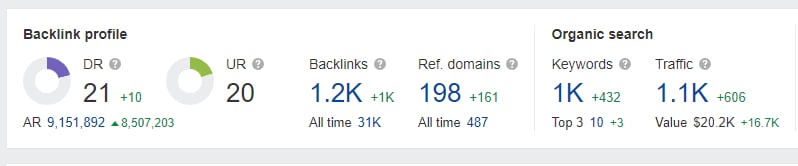
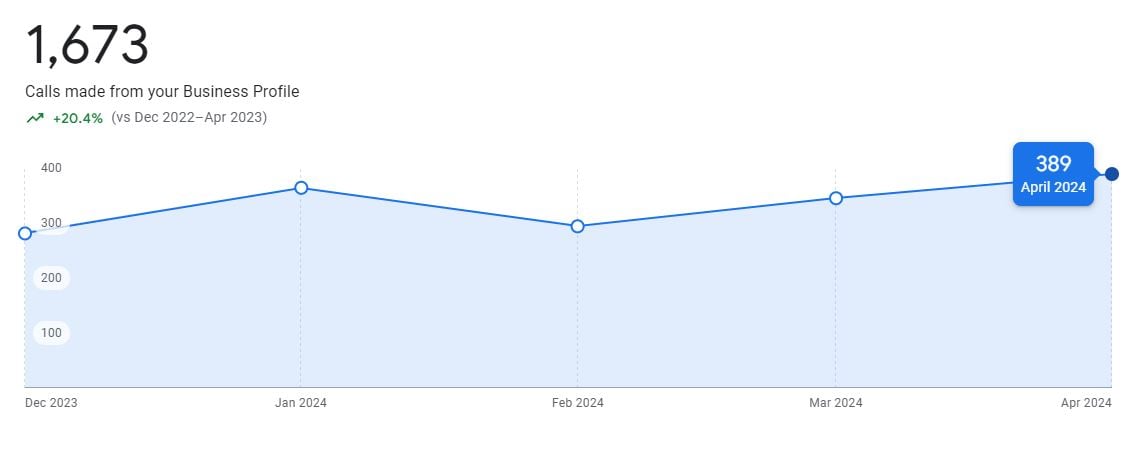
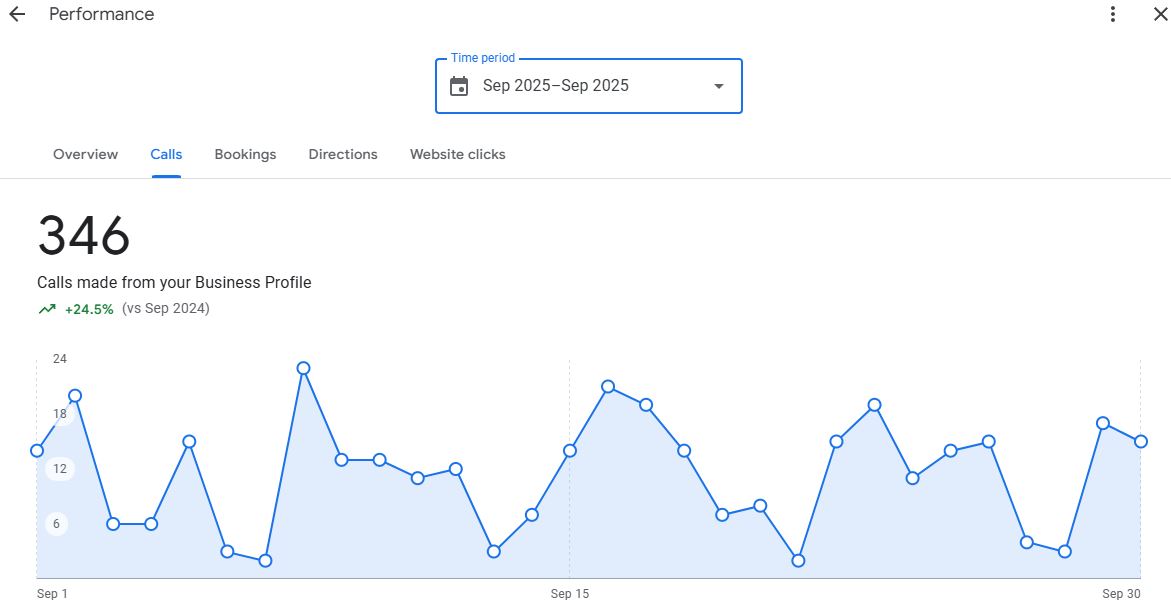
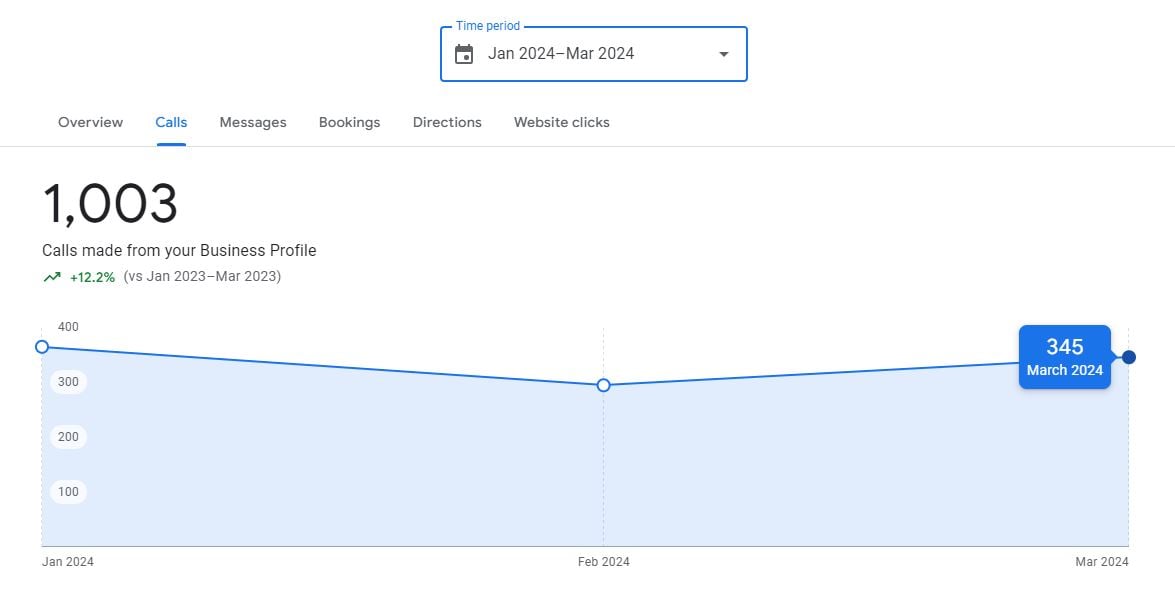
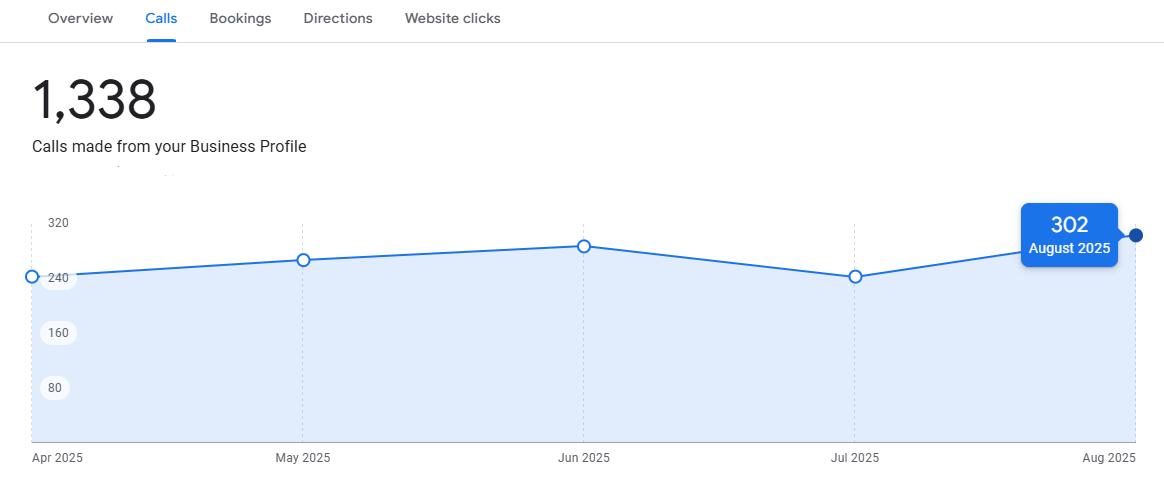
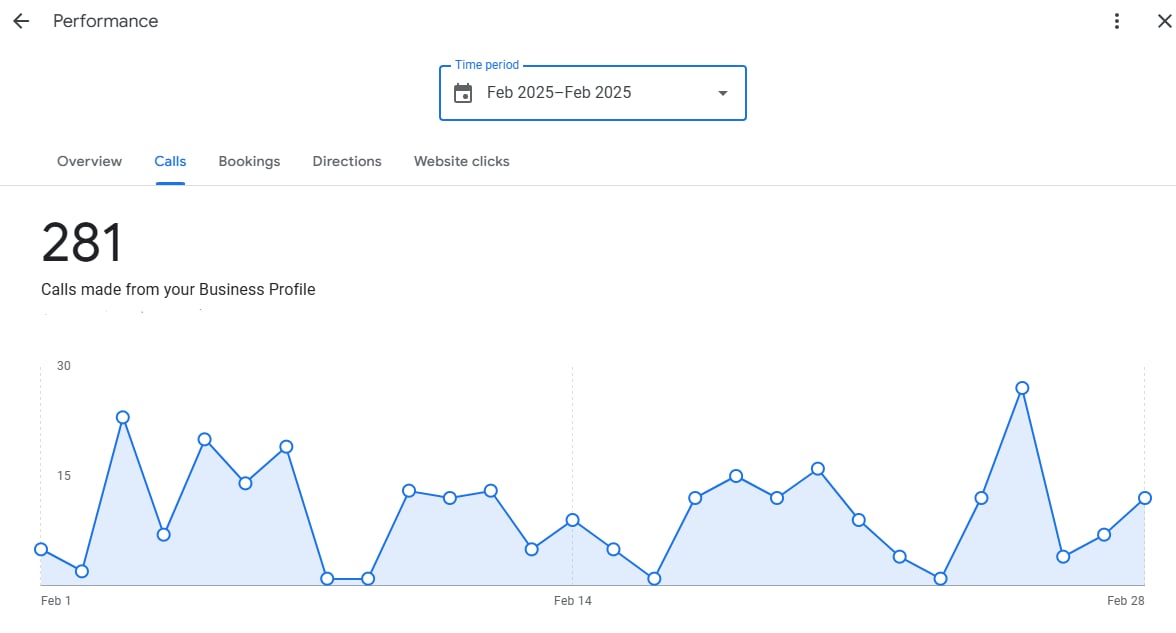
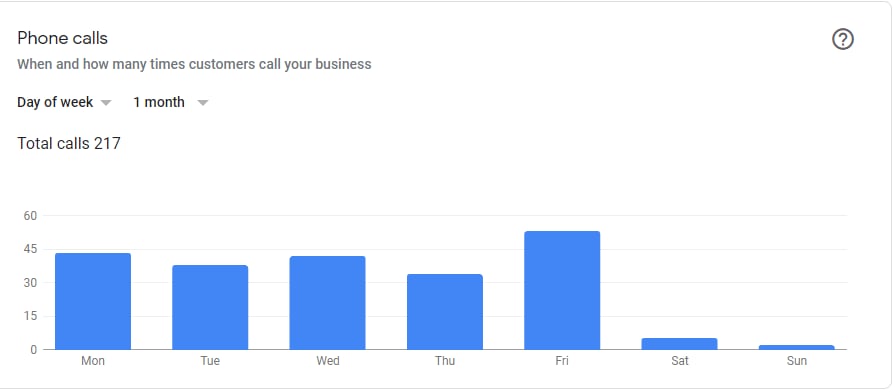
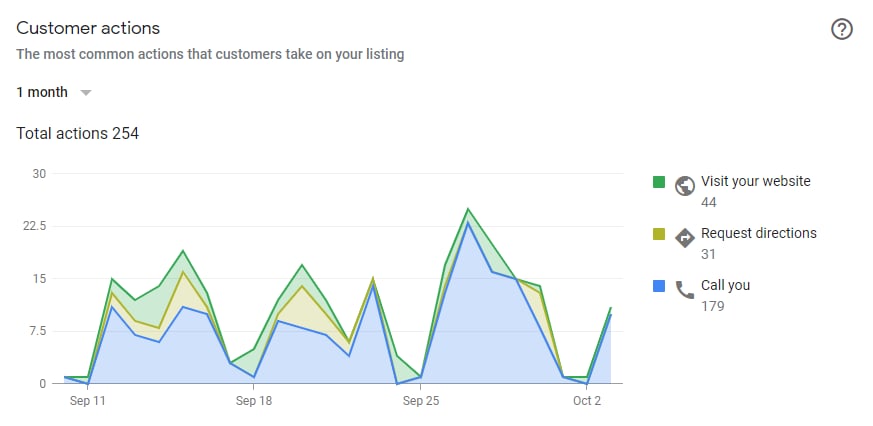
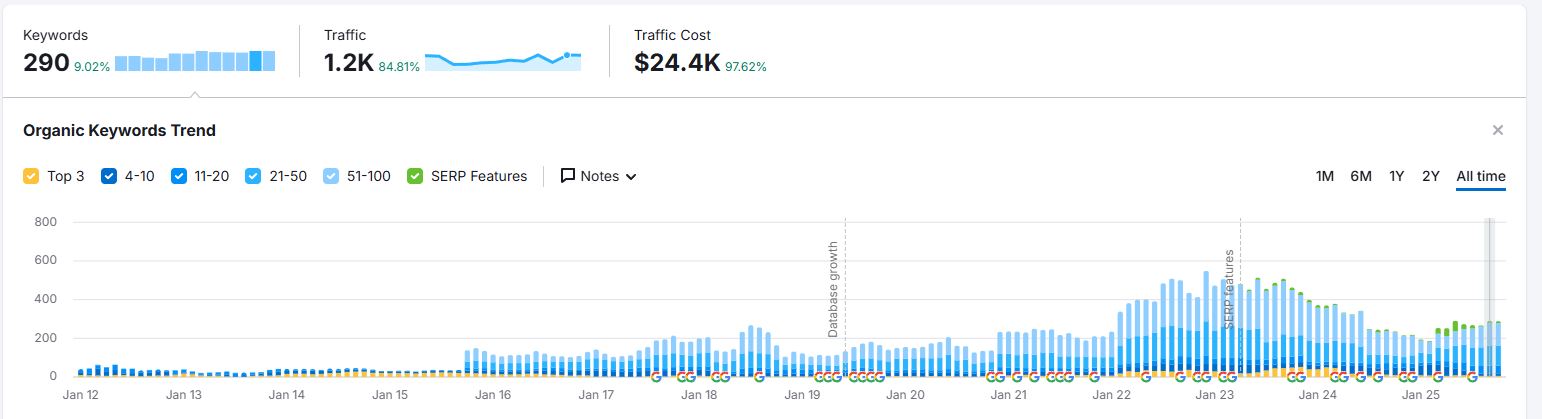
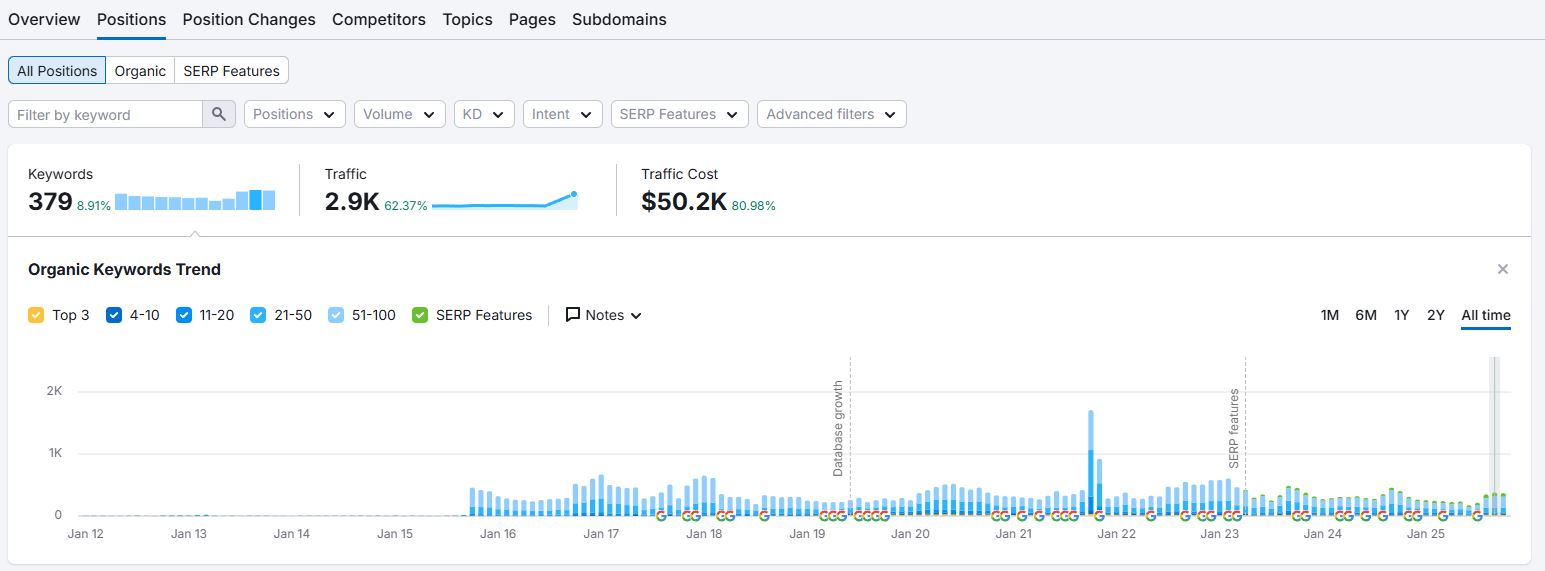
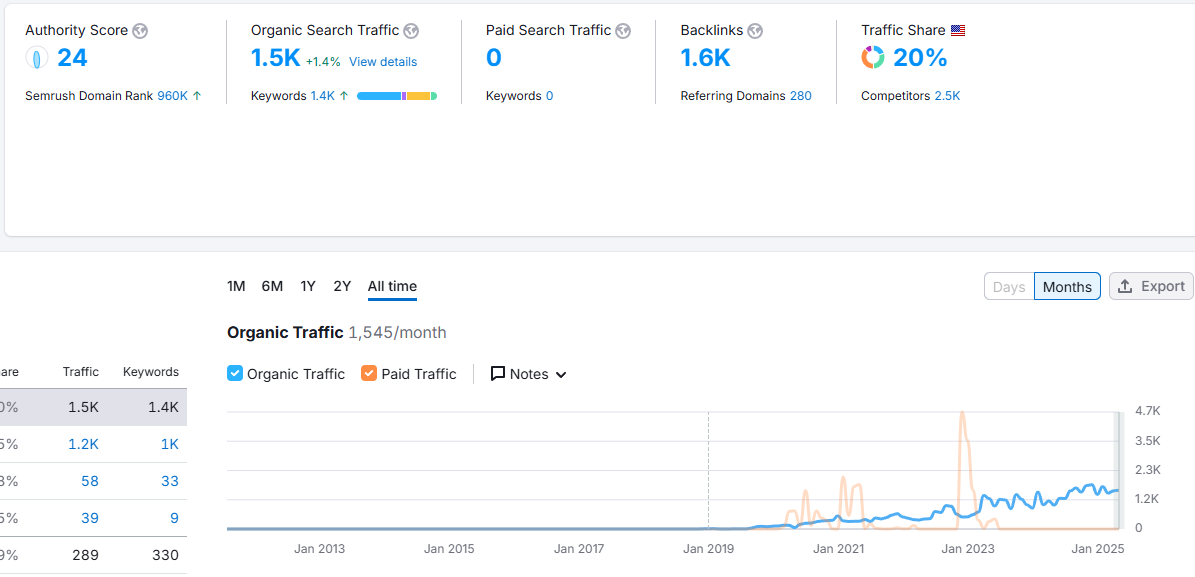
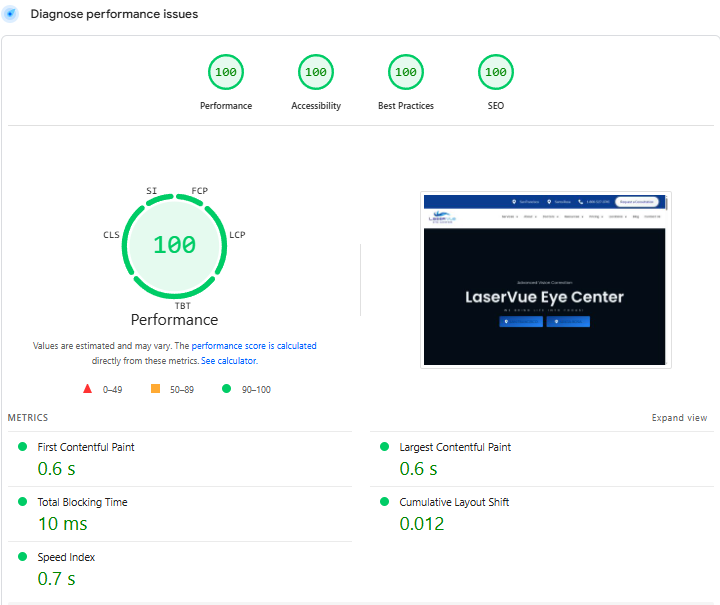
We’ve seen pages sit quietly for months, even years, barely getting clicks. Then, after a strategic update, they start climbing in search rankings, pulling traffic, and outperforming new content. That’s not luck—it’s execution.
Why Updating Old Content Works
Search engines love fresh, relevant, and accurate content. Updating your pages signals to Google and other search engines that your content is current and valuable. But the real advantage is the head start you already have.
You already have data on traffic, keywords, and engagement. This makes targeted updates faster and more impactful than starting from scratch.
- You can boost rankings faster than with brand-new pages
- You maximize existing authority and backlinks
- You align content with current search intent
- You fix gaps competitors might be exploiting
How to Identify Content Worth Updating
Not all content deserves the same attention. The trick is to focus on pages that already have potential.
Look for pages that:
- Rank just outside the top results but have impressions
- Show traffic stagnation or decline over time
- Include outdated statistics or examples
- Are losing ground to competitors on similar topics
These pages are low-hanging fruit that can often produce quick wins when updated strategically.
What to Focus On When Updating Content
Updating content isn’t just about swapping a few words. It’s about improving the experience, relevance, and authority.
- Refresh outdated data, examples, and references
- Improve readability with headings and structure
- Expand content to answer current search queries
- Update internal links to guide users to related content
- Optimize keywords naturally without stuffing
The Benefits You Can Expect
The results of a well-updated page go beyond rankings.
- Faster ranking improvements than new content
- Increased click-through rates from updated titles and meta descriptions
- Higher engagement and longer time on page
- Improved topical authority for your site
Sometimes a single refreshed page can outperform five brand-new articles.
How Timpson Marketing Executes Updates That Rank
At Timpson Marketing, we treat content updates like a science, not a guessing game. Here’s our approach:
Step 1: Audit and Prioritize
We identify pages with the highest potential for impact based on traffic, rankings, and user engagement. Pages that are underperforming but show promise get top priority.
Step 2: Align With Search Intent
We analyze what users are actually looking for and restructure the content to meet their needs. Outdated phrasing, irrelevant examples, and weak sections are replaced with clear, valuable information.
Step 3: Expand and Optimize
We add missing sections, refine keyword usage naturally, and improve internal linking. The goal is to make content comprehensive and engaging without fluff.
Step 4: Technical Enhancements
Titles, meta descriptions, and schema are updated. We also ensure the page loads fast, is mobile-friendly, and follows SEO best practices.
The result is content that doesn’t just rank—it converts, informs, and strengthens your site authority.
Mistakes to Avoid When Updating Content
Updating content without a strategy can do more harm than good.
- Editing without understanding search intent
- Over-optimizing keywords unnaturally
- Ignoring internal linking opportunities
- Not tracking performance after updates
Updates should be intentional, focused, and measurable.
Unlock Your Content’s Hidden Potential
That is exactly what Timpson Marketing delivers. We turn your existing content into traffic-driving, ranking-boosting assets that also convert.
If you’re ready to stop leaving traffic on the table and start leveraging the content you already have, now is the time to act. Let us show you how even small updates can lead to big gains. Schedule your strategy session today!
Frequently Asked Questions
1. How do I know which old content to update first?
Start by identifying pages that already rank but are stuck on page two or three. Check which pages have declining traffic or outdated information. Then prioritize based on potential impact. This ensures updates deliver faster results.
2. How often should I refresh content?
Most evergreen content benefits from updates every 6 to 12 months. Competitive niches may require more frequent checks. The key is consistency to maintain relevance. Regular updates keep pages fresh for search engines.
3. Will updating content improve rankings immediately?
Not instantly, but usually faster than publishing new pages. Search engines need time to crawl changes. Some improvements appear in a few weeks. Overall, it is faster and more efficient than starting from scratch.
4. Should I change the publish date when updating?
5. Can updating content increase traffic without adding new pages?
Yes, it often does. Enhancing content can unlock new keyword opportunities and improve engagement. Existing pages can outperform newly published posts. This makes content updates highly efficient.
6. What types of content benefit most from updates?
Evergreen guides, tutorials, and resource pages see the biggest gains. These pieces stay relevant over time but may need refinement. Updating keeps them competitive. This ensures your top-performing pages remain strong.
7. How do I avoid losing rankings when updating content?
Keep what already works intact and improve weak sections. Avoid removing high-performing content unnecessarily. Monitor metrics closely after updates. Adjust as needed to preserve performance.
8. Should I edit or rewrite old content?
Editing is enough if the content is still relevant. Rewriting may be necessary if the page no longer aligns with search intent. The goal is to improve value. Always focus on what the user needs.
9. How important are internal links in updates?
Internal links strengthen site structure and guide users. They also help search engines understand topic relationships. Updating links ensures pages support each other. This improves overall SEO performance.
10. Can product pages benefit from updates?
Absolutely. Product pages can be improved with better descriptions, FAQs, and user-focused content. Enhancing these pages helps rankings and conversions. It is just as important as blog content.
11. How should keywords change during updates?
Focus on natural integration and new variations. Search trends evolve, and updates allow alignment. Refined keywords help reach new search queries. This maintains relevance and visibility.
12. Which tools help with content updates?
Analytics, SEO platforms, and content planning tools all help. They provide insights into performance, traffic, and keyword gaps. Tools guide your decisions, but strategy is key. Use them to optimize updates efficiently.
13. Should I add new sections when updating content?
Yes, especially if competitors cover topics you missed. Adding sections increases depth and value. This improves rankings and user experience. Expanded content strengthens authority.
14. How do I measure update success?
Track rankings, traffic, and engagement metrics. Compare before and after updates. Look for improvements in both search performance and user behavior. Data confirms which strategies worked.
15. Can updating content improve conversions?
Yes, improved clarity and structure increase trust. Users are more likely to take action on valuable, readable content. Better UX directly impacts conversions. Ranking gains and conversions often go hand in hand.
16. What is the biggest mistake in updating content?
The biggest mistake is updating without a plan. Random edits rarely improve results. Strategy ensures updates are targeted and effective. A clear plan turns effort into measurable gains.
17. Should outdated sections be removed?
Only if they no longer provide value. Replace with updated, relevant information. Removing useful content can hurt SEO. Balance old and new to maintain strength.
18. How long should updated content be?
Focus on depth, not word count. Pages should answer user questions fully. Add new insights but avoid fluff. Quality drives rankings more than length.
19. Can updating help with featured snippets?
20. Is updating better than creating new content?
It depends on your goals. Updating delivers faster results and strengthens existing pages. New content expands reach and authority. Combining both strategies is the most effective approach.


Leave A Comment