
Most people who land on your website are not ready to take action. They browse, scroll a little, maybe click a page or two—an
d then they leave. No call. No form submission. Nothing. That’s not failure. That’s normal behavior.
The real problem? Most businesses don’t have a system to bring those people back. That’s exactly where building a retargeting funnel that converts comes into play. Not just random ads chasing users around, but a structured path that guides them from interest to action.
What a Retargeting Funnel Actually Is
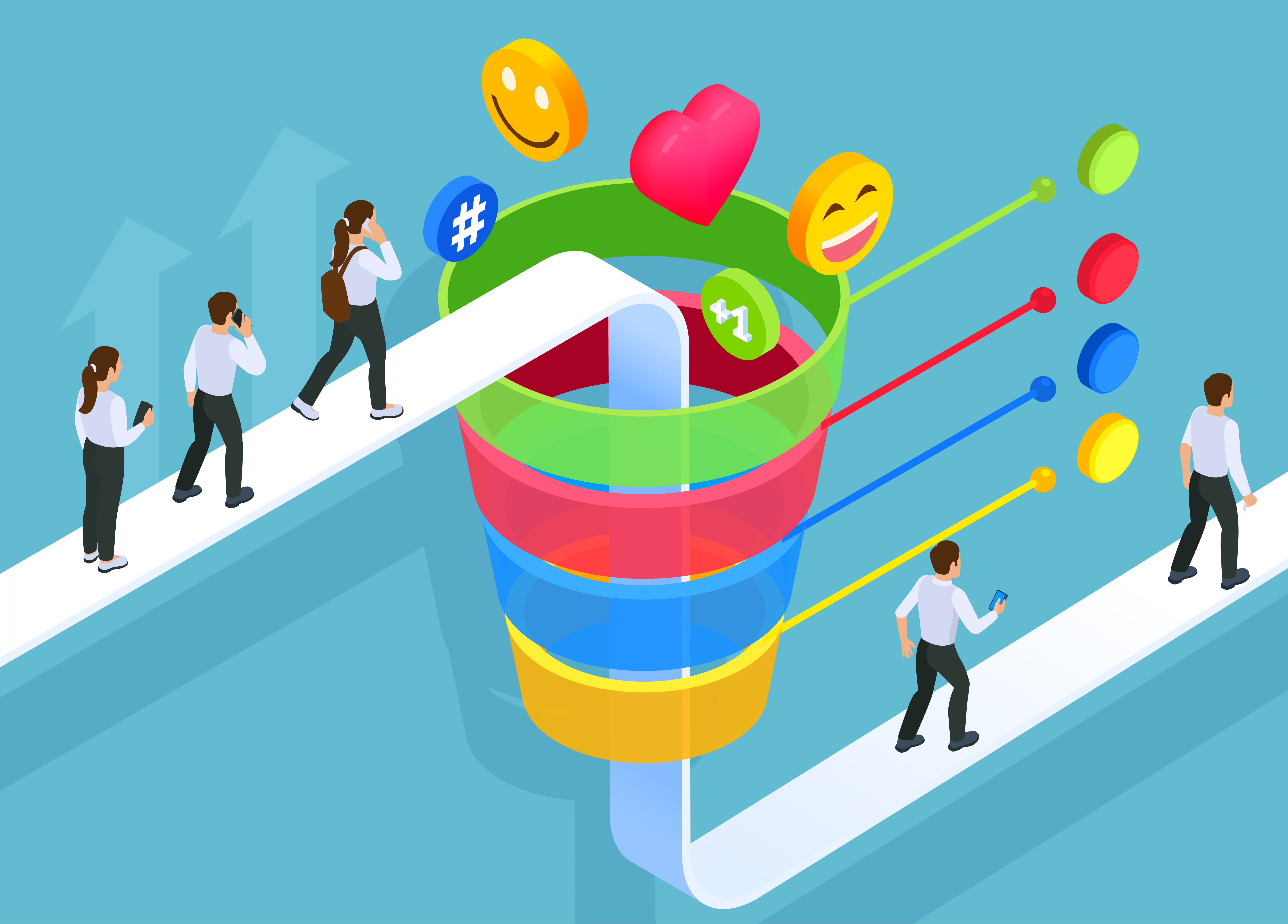
A retargeting funnel is not just one ad. It’s a sequence.
It follows users based on what they’ve already done and shows them the right message at the right time. Instead of pushing for a quick sale, it builds trust step by step.
Think of it like continuing a conversation, not restarting it.
- Step one focuses on awareness and reminders
- Step two builds trust and credibility
- Step three drives action with a clear offer
Without this structure, retargeting becomes noise.
Why Most Retargeting Funnels Fail
Before building something that works, it helps to understand what breaks it.
No Clear Stages
Many campaigns skip straight to selling. That creates resistance because users are not ready yet. No awareness phase, trust-building step, and immediate pressure to convert. That approach pushes people away instead of pulling them in.
Weak Messaging Across the Funnel
When every ad looks and sounds the same, users stop paying attention. Repetitive headlines, no progression in messaging, and no clear value at each stage. A funnel should feel like a journey, not a loop.
Poor Audience Segmentation
Not all visitors behave the same way.
- First-time visitors need education
- Returning users need reassurance
- High-intent users need a strong CTA
Without segmentation, messaging loses relevance.
Key Elements of a Retargeting Funnel That Converts
1. Awareness Stage: Stay Visible Without Pressure
This is your first touchpoint after a user leaves your site.
The goal here is simple—remind them you exist.
- Reintroduce your brand naturally
- Highlight your core value
- Keep messaging light and helpful
No hard selling yet. Just visibility.
2. Consideration Stage: Build Trust and Interest
Now that they remember you, it’s time to give them a reason to care.
This is where trust starts to form.
- Share testimonials or reviews
- Highlight results or case studies
- Address common objections
You’re reducing hesitation here.
3. Conversion Stage: Make the Next Step Easy
At this point, the user is familiar with your brand.
Now you guide them toward action.
- Use clear and direct calls to action
- Offer incentives if needed
- Simplify the conversion process
Clarity wins here.
How Timpson Marketing Builds Retargeting Funnels That Work
Step 1: Mapping User Behavior
Everything starts with understanding how users interact with your site.
- Tracking page visits and actions
- Identifying drop-off points
- Spotting high-intent behavior
This creates a clear picture of the user journey.
Step 2: Building Segmented Audiences
Instead of one broad audience, segments are created based on behavior.
- Visitors by service or page interest
- Returning users vs new visitors
- Users close to conversion
Each group gets tailored messaging.
Step 3: Crafting Funnel-Specific Messaging
Messaging is aligned with each stage of the funnel.
- Awareness ads that feel natural
- Trust-building content for consideration
- Strong CTAs for conversion
This creates flow instead of friction.
Step 4: Continuous Testing and Optimization
No funnel is perfect from day one.
That’s why ongoing optimization is key.
- Testing different creatives and formats
- Adjusting timing and frequency
- Refining audience segments
Final Thoughts
If you take one thing away from building a retargeting funnel that converts, it’s this: Retargeting isn’t about chasing users. It’s about guiding them. When your funnel is structured, your messaging is relevant, and your timing is right, conversions stop feeling random. They start feeling predictable. And that’s when your marketing really starts working.
Where are those people going after?
Timpson Marketing builds retargeting funnels that don’t just bring visitors back—we turn them into real leads. If your current strategy feels scattered or underwhelming, it’s time to build something that actually converts. Schedule your strategy consultation today!
Frequently Asked Questions
1. How do I know if I even need a retargeting funnel?
If people visit your site but don’t convert, you likely need one. That gap shows missed opportunities. A funnel helps guide users back. Without it, you lose potential leads.
2. What makes a retargeting funnel different from regular ads?
A funnel follows a sequence instead of showing random ads. It adapts based on user behavior. This makes messaging more relevant. As a result, engagement improves.
3. How long should a retargeting funnel run?
It depends on your sales cycle. Short cycles may need days, while longer ones need weeks. Timing should match user intent. Testing helps find the right duration.
4. Can small businesses build effective retargeting funnels?
Yes, even small businesses can benefit greatly. Funnels focus on warm audiences, which improves efficiency. You don’t need a huge budget. Strategy matters more than size.
5. What platforms are best for retargeting funnels?
Popular platforms include Google, Facebook, and Instagram. Each offers different strengths. Combining platforms increases reach. It also improves overall results.
6. Why do users ignore retargeting ads sometimes?
This usually happens when ads feel repetitive or irrelevant. Users lose interest quickly. Refreshing content helps maintain attention. Relevance is key to engagement.
7. How often should I update my retargeting funnel?
Funnels should be reviewed regularly. User behavior changes over time. Updating creatives and messaging keeps things fresh. Monthly checks are a good starting point.
8. What is the biggest mistake in building a retargeting funnel?
Skipping the funnel stages is a common issue. Many go straight to selling. This creates resistance. Building trust first improves conversions.
9. Can retargeting funnels work without tracking pixels?
No, tracking pixels are essential. They collect user behavior data. Without them, targeting becomes inaccurate. This reduces campaign effectiveness.
10. How do I measure the success of my funnel?
Look at conversions, not just clicks. Track user behavior across stages. Engagement and return visits are important signals. Data reveals what’s working.
11. Should I use video or static ads in my funnel?
Both formats can work well. Video grabs attention quickly. Static ads are simpler and effective. Testing helps determine what performs best. Use a mix when possible.
12. How does audience segmentation improve funnel performance?
Segmentation makes messaging more relevant. Users see content that matches their behavior. This increases engagement. Better targeting leads to higher conversions.
13. Can retargeting funnels help with lead generation?
Yes, they are highly effective for leads. Funnels guide users toward action gradually. This builds trust over time. As a result, more users convert.
14. What type of content works best in the consideration stage?
Content that builds trust performs best here. Testimonials and case studies are effective. They reduce doubt. This encourages users to move forward.
15. How do I avoid overwhelming users with ads?
Control frequency and vary your creatives. Too many ads create frustration. Spacing them out feels more natural. Balance is important.
16. Is retargeting useful for service-based businesses?
Yes, especially for services. People often take time before deciding. Retargeting keeps your brand visible. This increases the chances of conversion.
17. How quickly can I see results from a retargeting funnel?
Some results appear within days. However, consistent improvement takes time. Optimization plays a big role. Patience leads to better outcomes.
18. Can I run multiple funnels at the same time?
Yes, and it’s often beneficial. Different audiences may need different funnels. This improves targeting. It also increases efficiency.
19. What role does landing page design play in conversions?
Landing pages are critical for conversions. A confusing page reduces results. Clear messaging improves user experience. This leads to better performance.
20. How do I start building my first retargeting funnel?
Start by analyzing your website traffic. Identify user behavior patterns. Then create audience segments. From there, build your funnel step by step.



Leave A Comment