Have you ever browsed a website, left, and then noticed that the company was following you across the internet? That’s not a coincidence, it’s a strategy. For service brands, dynamic retargeting brings potential clients back when they’re most likely to convert. Unlike standard ads, dynamic retargeting shows personalized messages based on visitors’ interests, keeping your brand top of mind at the right moment. In this guide, we’ll explain how dynamic retargeting for service brands works and how our team at Timpson Marketing executes it to drive results. We’ll keep it clear, pratical, and actionable so your brand can maximize every visitor’s value.
What Is Dynamic Retargeting?
Dynamic retargeting is a method of showing personalized ads to users who have already interacted with your website. Unlike standard retargeting, which shows the same ad to everyone, dynamic retargeting adapts to user behavior, showing messages that reflect exactly what they viewed or considered.
For service brands, this is especially powerful. Someone browsing your “roof repair” page won’t see generic ads about landscaping services. Instead, they see relevant content that aligns with their needs, improving the likelihood they’ll take action.
Key Advantages of Dynamic Retargeting:
Dynamic retargeting creates a conversation rather than a one-sided reminder. Users feel understood, not pressured, because the ads relate directly to their interests. It helps brands:
-
-
- Stay visible to hesitant prospects
- Increase conversions without additional traffic
- Reduced wasted ad spend by targeting only interested users
Why Service Brands Need Dynamic Retargeting
Service-based businesses face longer decision cycles than e-commerce stores. People rarely book a plumber, consultant, or marketing service on their first visit to a website. They research and compare options, and often leave without taking action.
Dynamic retargeting keeps your brand in front of these visitors, reminding them of your services without being intrusive. It helps maintain awareness during that critical consideration phase. In practical terms, it turns casual interest into qualified leads over time.
How Dynamic Retargeting Works
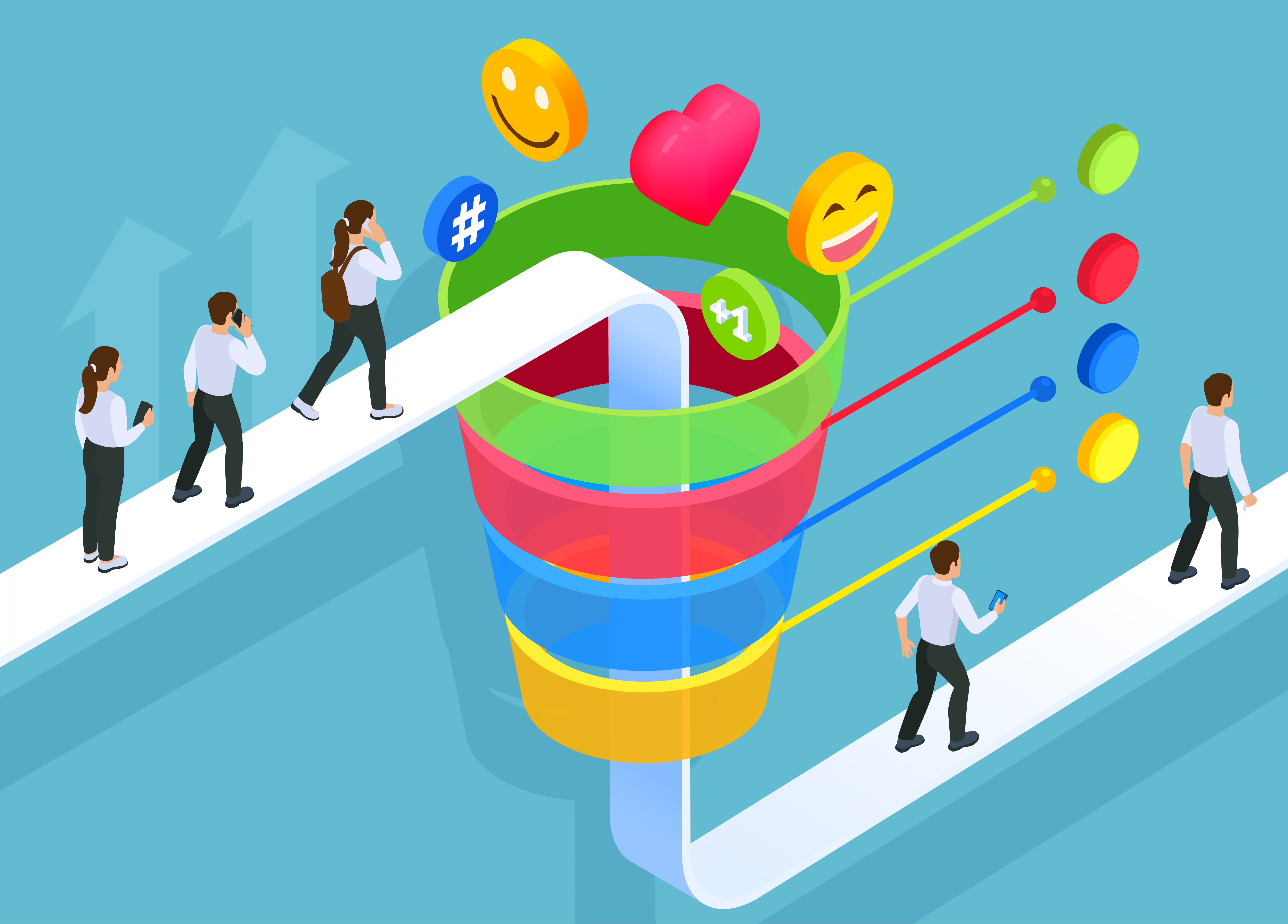
Dynamic retargeting works in four steps, all designed to ensure your ads are relevant and timely.
- Tracking User Behavior: A small tracking code captures visitors’ activity—pages viewed, time spent, and actions taken. This data serves as the foundation for personalized campaigns.
- Audience Segmentation: Not every visitor behaves the same. Dynamic retargeting separates users into meaningful groups, such as casual browsers, high-intent prospects, or those who abandoned a form.
- Personalized Ad Delivery: Ads are created for each segment, showing users exactly what they were exploring on your site. Someone interested in home services sees different messaging than someone browsing consulting solutions.
- Continuous Optimization: Data from clicks, impressions, and conversions is analyzed to refine campaigns. Timpson Marketing ensures that ads evolve with audience behavior to maximize ROI.
The result is a smarter, automated system that nurtures leads without overwhelming them.
How Timpson Marketing Executes Dynamic Retargeting
At Timpson Marketing, dynamic retargeting isn’t just about running ads—it’s a holistic system designed to drive results.
- We map out your customer journey, identifying touchpoints where visitors are most likely to convert. This initial mapping phase typically takes about one to two weeks, depending on the complexity of your business and the amount of data available.
- We segment your audience based on behavior and interests, a process that usually takes another several days to a week. Adding these steps to your planning helps ensure your campaign is thoroughly prepared and sets realistic expectations for getting started. Throughout, we create personalized ads tailored for each stage.
Our team designs creative, relevant ads and monitor performance daily. We adjust frequency, timing, and content to prevent ad fatique while maximizing conversions. The ultimate goal is simple: reach the right person at the right time with the right message.
By handling all the technical details, from pixel installation to campaign optimization, Timpson Marketing frees you to focus on running your business while seeing measurable results from your digital ads. To get started, there are a few basic prerequisites: you’ll need access to your website for
placing a tracking code (often called a “pixel”), permission to update your site, and, ideally, a clear understanding of your business goals. Our team will guide you through each step, ensuring everything is set up smoothly and efficiently.
Benefits You Can Measure
Dynamic retargeting isn’t theoretical—it produces measurable improvements in conversions and efficiency.
- Conversion rates improve because ads are targeted and relevant
- Cost per lead decreases, making your ad spend more efficient
- Brand awareness and trust increase as users see consistent, personalized messaging
- Leads that previously left your site are brought back into the conversion funnel
These benefits are particularly important for service brands with longer decision cycles. By nurturing potential clients over time, you’re maximizing the value of every visitor.
We Handle Your Retargeting.
Tired of losing potential clients after they leavc your website? Let Timpson Marketing craft a dynamic retargeting strategy that turns casual visitors into loyal customers. We handle everything from audience segementation to personalized ads and optimization.
When you reach out, we start with a website audit and a discovery call to understand your goals and challenges. This initial connection helps us tailor our approach to fit your business, giving you a clear roadmap before any commitment. Contact us today and start turning every click into a conversion.
Frequently Asked Questions
1. How can dynamic retargeting help capture leads who abandoned forms?
Dynamic retargeting identifies users who left a form incomplete. Ads can remind them to finish without coming across as pushy. By showing relevant content, users are more likely to return. Over time, this approach reduces lost leads and increases conversions.
2. Can dynamic retargeting improve ROI without increasing traffic?
Yes. It targets visitors already familiar with your brand. Instead of paying for new clicks, you convert people who have already shown interest. This strategy maximizes value from existing traffic. It’s cost-efficient and results-driven.
3. How do you prevent retargeting ads from annoying users?
Frequency caps and ad rotation are essential. Showing the same ad too often can lead to fatigue. By tailoring messages to visitor behavior, ads feel helpful instead of intrusive. Timing and relevance are key.
4. Is dynamic retargeting suitable for small service brands?
Absolutely. Even small businesses benefit because every visitor counts. Personalized ads make limited traffic more valuable. It allows small budgets to produce measurable impact. Consistency in messaging builds trust.
5. How often should ads be updated in a retargeting campaign?
Updating ads every few weeks prevents fatigue. Creative rotation ensures users don’t ignore messaging. It also helps identify which ad performs best. Continuous refresh keeps campaigns effective.
6. What’s the difference between dynamic and static retargeting?
Static retargeting shows the same ad to all users. Dynamic retargeting adjusts based on page visits and behavior. This personalization increases engagement. Users see content relevant to their interests.
7. Can retargeting help with seasonal service promotions?
Yes, dynamic ads can promote seasonal offers. They can show relevant services during peak demand. Timing campaigns strategically boosts conversions. It ensures your messaging aligns with market trends.
8. How do you measure success in dynamic retargeting campaigns?
Key metrics include conversion rate, cost per lead, and engagement. Monitoring clicks and impressions provides insight. Data helps refine campaigns over time. Continuous tracking ensures optimal performance.
9. Does dynamic retargeting require a website?
Yes. A functional website is necessary to track user behavior. Pixels and tracking codes collect essential data. Without a site, personalization isn’t possible. The website serves as the foundation for effective retargeting.
10. How quickly can retargeting campaigns show results?
Results vary depending on traffic and budget. Some leads convert within days, while others require weeks. Patience is important, especially for services with longer decision cycles. Optimized campaigns improve steadily.
11. What creative elements perform best in retargeting ads?
Strong visuals, concise messaging, and clear calls to action are critical. Messaging must match user intent. Using service-specific imagery increases relevance. Quality creative boosts engagement and clicks.
12. Can retargeting increase brand awareness?
Yes, repeated exposure reinforces recognition. Even if users don’t convert immediately, they remember your brand. This familiarity improves trust over time. It also enhances the likelihood of referrals.
13. How do you segment audiences for dynamic retargeting?
Segmentation is based on behavior: pages visited, time spent, and engagement. Each segment receives tailored messaging. This increases relevance and conversion chances. Data-driven segmentation is more effective than guessing.
14. How do retargeting campaigns support long-term marketing strategies?
They nurture potential clients over extended decision cycles. By reinforcing your message, users gradually move toward conversion. Campaign data also informs future marketing decisions. Retargeting becomes part of a larger growth strategy.
15. Can dynamic retargeting complement social media advertising?
Absolutely. Social platforms like Facebook and Instagram integrate seamlessly. Users can be targeted across multiple touchpoints. This multi-channel approach strengthens messaging. Coordination improves overall campaign performance.
16. Does retargeting only work for e-commerce?
No, service brands benefit greatly due to longer decision cycles. Personalized reminders encourage action. Even high-consideration services see measurable returns. The principle is the same: reach interested users with relevant messaging.
17. How do you prevent wasted ad spend in dynamic retargeting?
Targeting only warm audiences and segmenting by behavior reduces waste. Frequency caps avoid overexposure. Optimizing creatives based on performance ensures every dollar counts. Smarter targeting equals better ROI.
18. How does user behavior influence ad messaging?
Ads reflect the pages and services users viewed. For example, a visitor exploring “plumbing repair” sees related messaging. This makes content feel personalized. The closer the match, the higher the engagement.
19. Can retargeting improve client retention?
Yes, by staying top of mind, previous clients are reminded of ongoing services. Repeat engagement encourages loyalty. It also supports upselling opportunities. Retargeting reinforces relationships.
20. What’s the biggest mistake brands make with retargeting?
Treating it as a “set it and forget it” campaign. Audiences, messaging, and creative need ongoing optimization. Ignoring data leads to wasted spend. Continuous adjustment is the key to success.





Leave A Comment