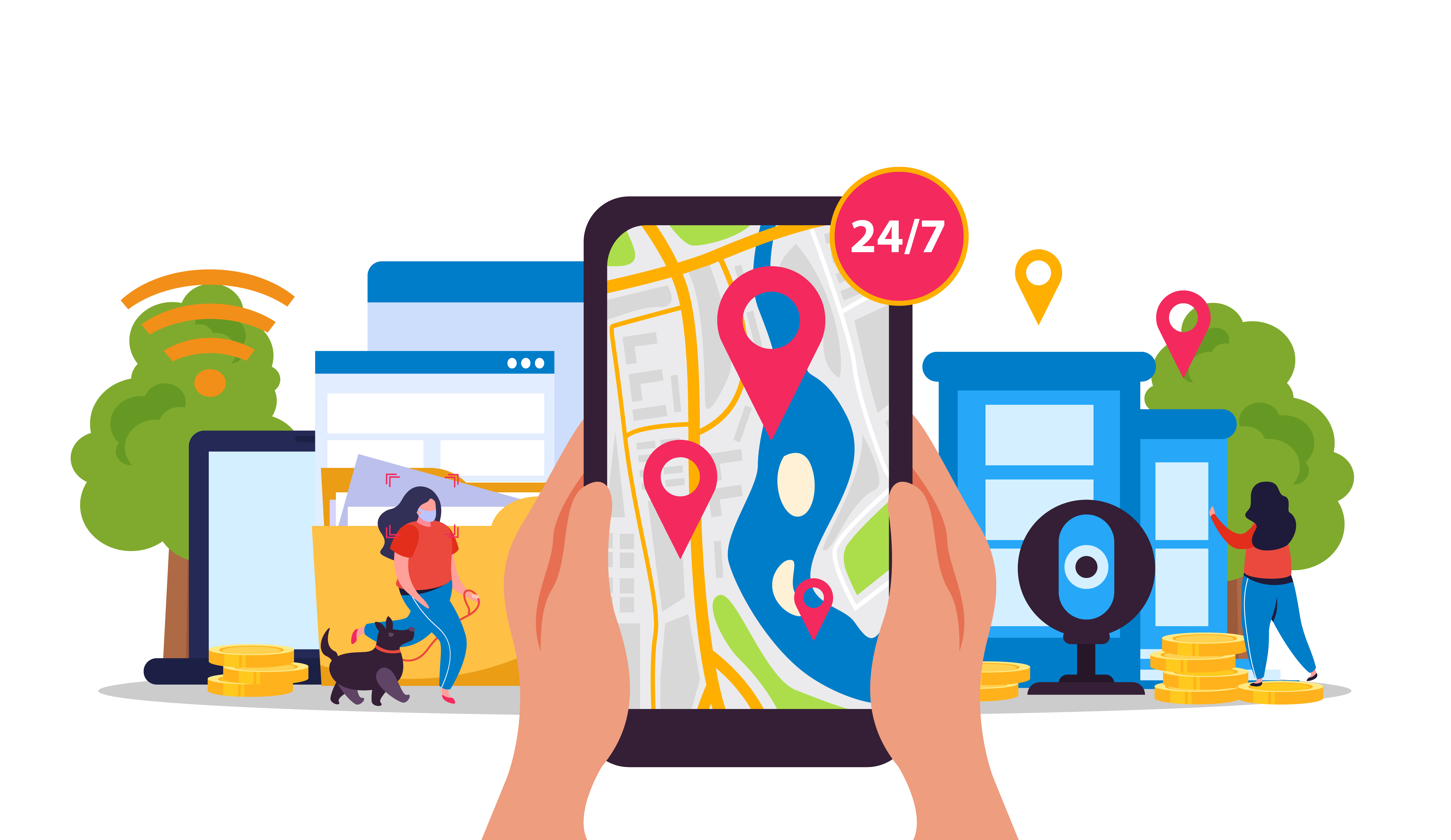
Ever searched for a local service and instantly clicked one of the top three listings on Google Maps? Yeah, we all do it. That little section—called the Map Pack—is prime digital real estate. If your business isn’t there, you’re basically invisible to a huge chunk of ready-to-buy customers.
So let’s talk about something that actually moves the needle: Google Business Profile optimization that wins the map pack. Not theory. Not fluff. Real, practical steps that help your business show up where it matters most—right when people are searching.
What Is the Google Map Pack and Why It Matters
The
Map Pack is that top section in local search results showing three businesses, a map, reviews, and key info. It appears before organic listings, which means it grabs attention quickly.
Here’s why it’s powerful:
- It captures high-intent local searches from users ready to take action
- It increases calls, visits, and conversions without paid ads
- It builds instant trust through reviews and ratings
- It dominates mobile search visibility
If you’re a local business, this isn’t optional—it’s essential.
Core Elements of Google Business Profile Optimization
Let’s break this down in a way that actually makes sense. Ranking in the Map Pack isn’t magic. It’s a mix of consistency, relevance, and activity.
1. Complete and Accurate Business Information
This sounds basic, but you’d be surprised how many profiles are incomplete.
- Use your exact business name consistently
- Ensure your address and phone number match across all platforms
- Choose the most relevant primary and secondary categories
- Add updated business hours, including holidays
Google rewards clarity. If your info is messy, your rankings will be too.
2. Keyword Optimization Without Overdoing It
You don’t need to stuff keyword everywhere. But you do need to be intentional.
Focus on:
- Including your main service keywords in your business description
- Using location-based phrases naturally
- Adding services with detailed descriptions
Think human first, algorithm second.
3. Reviews That Actually Work for You
Reviews are not just about reputation—they’re a ranking factor.
- Ask satisfied customers to leave honest feedback
- Respond to every review, even the negative ones
- Encourage detailed reviews mentioning your services
More importantly, consistency matters more than volume.
4. Photos and Visual Content
People trust what they can see.
- Upload real photos of your business, team, and work
- Avoid generic stock images
- Update visuals regularly to show activity
Profiles with strong visuals tend to get more clicks. It’s that simple.
5. Regular Posting and Updates
Google likes active businesses. So should your customers.
- Post updates about services, offers, or events
- Share quick tips or insights related to your industry
- Keep your profile fresh and relevant
This signals that your business is alive and engaged.
Advanced Strategies That Actually Move You Into the Map Pack
Once you’ve got the basics down, it’s time to level up.
Leverage Local Citations
Your business should appear consistently across directories like Yelp, Bing, and Apple Maps.
Optimize for Mobile Users
Most
Map Pack searches occur on mobile devices. Your profile needs to load fast and look clean.
Engage With Questions and Answers
Preload common questions and answer them clearly. It saves time and builds trust.
How Timpson Marketing Executes This Strategy
Here’s where things get interesting. Anyone can “optimize” a profile. But execution is where results actually happen. Timpson Marketing takes a hands-on, data-driven approach that goes beyond surface-level tweaks.
Our Process Looks Like This:
- Deep audit of your current Google Business Profile and competitors
- Strategic keyword placement tailored to local search behavior
- Review generation systems that feel natural, not forced
- Ongoing content posting and engagement management
- Performance tracking with real ranking improvements
They don’t just set it and forget it. They refine, adjust, and push until your business climbs.
Common Mistakes That Kill Your Map Pack Chances
Let’s clear this up—some habits will quietly sabotage your rankings.
- Inconsistent business information across platforms
- Ignoring customer reviews
- Using outdated or incorrect categories
- Leaving your profile inactive for months
Fixing these alone can create noticeable improvements.
Let’s Get You Seen Where It Counts.
Right now, your competitors are showing up in the Map Pack. They’re getting the clicks, the calls, and the customers.
The question is—why not you?
Timpson Marketing doesn’t guess. They build strategies that place your business exactly where people are already looking. If you’re serious about local visibility, this is your moment to act.
Contact us today, and let’s turn your Google Business Profile into your most powerful marketing asset.
Frequently Asked Questions
1. How long does it take to rank in the Google Map Pack?
It depends on competition and how optimized your profile is from the start. Typically, noticeable changes can happen within a few weeks. However, consistent effort is what drives long-term results. So, staying active and regularly improving your profile are key.
2. Does posting regularly on Google Business Profile help rankings?
Yes, it does improve visibility over time. Posting signals to Google that your business is active and relevant. Additionally, it gives users fresh content to engage with. As a result, your profile becomes more attractive to both search engines and customers.
3. Are keywords in reviews important for Map Pack rankings?
Yes, they play a subtle but valuable role. When customers naturally mention services and locations, it reinforces relevance. However, reviews should always be authentic and not forced. Over time, these details help strengthen your profile’s authority.
4. Can I rank in multiple locations with one profile?
Not exactly, since Google prioritizes proximity. Each location should have its own verified profile for best results. However, you can optimize service areas within your listing. This helps expand your reach within a reasonable range.
5. How important are business categories in optimization?
Categories are one of the most critical ranking factors. They tell Google exactly what your business offers. Therefore, choosing the most accurate primary category is essential. Secondary categories also help broaden your visibility.
6. Do photos really impact Map Pack performance?
Yes, visuals significantly influence user behavior. Profiles with updated photos tend to get more clicks and engagement. Additionally, they build trust with potential customers. So, regularly uploading real images is a smart move.
7. What role do backlinks play in local SEO?
Backlinks still matter, even for local rankings. They help build your website’s authority, which supports your profile. However, quality matters more than quantity. Local and relevant links are especially valuable.
8. Can negative reviews hurt my rankings?
Not necessarily, if handled properly. Responding professionally can actually improve trust. Additionally, a mix of reviews appears more authentic. Therefore, focus on managing feedback rather than fearing it.
9. Is it necessary to respond to every review?
Yes, responding shows engagement and professionalism. It also signals to Google that you are active. Even a simple acknowledgment can make a difference. Over time, this builds stronger customer relationships.
10. How does proximity affect Map Pack rankings?
Proximity is a major factor in local search results. Google prioritizes businesses close to the searcher. However, even with strong optimization, visibility can still improve. So, focus on relevance and authority alongside location.
11. Can I edit my business name to include keywords?
It’s not recommended unless it reflects your actual business name. Google may penalize keyword stuffing. Instead, focus on optimizing other sections. Keeping your profile accurate protects your credibility.
12. How often should I update my profile information?
You should update it whenever there are changes. Additionally, regular checks help maintain accuracy. Even small updates show activity. Therefore, keeping your profile up to date is essential.
13. What is the importance of Q&A on Google profiles?
The Q&A section helps address common customer concerns. It also improves engagement and clarity. Adding useful questions can guide potential customers. As a result, it enhances user experience.
14. Does having a website improve Map Pack rankings?
Yes, a strong website supports your overall presence. It provides additional signals of credibility and relevance. Moreover, it allows deeper keyword optimization. Together, it strengthens your local SEO strategy.
15. Can duplicate listings affect rankings?
Yes, duplicates can confuse Google and harm visibility. They may split your reviews and ranking signals. Therefore, removing or merging duplicates is important. Keeping one accurate listing is best.
16. How do service areas impact visibility?
Service areas help define where you operate. While they don’t replace a physical location, they still add context. Optimizing them properly can expand your reach. However, accuracy is crucial.
17. Is verification necessary for ranking?
Yes, verification is required to fully manage your profile. Without it, you lose control over key features. Additionally, verified profiles appear more trustworthy. So, completing this step is essential.
18. Do clicks and calls influence rankings?
User engagement does send positive signals. More clicks and calls suggest relevance and usefulness. While not direct ranking factors, they still matter. Therefore, optimizing for conversions helps indirectly.
19. Can seasonal updates improve performance?
Yes, seasonal content keeps your profile relevant. It aligns your business with current search trends. Additionally, it shows activity and adaptability. This can lead to better engagement and visibility.
20. What is the biggest mistake in local SEO optimization?
The biggest mistake is inconsistency across platforms. Mismatched information confuses both users and search engines. Additionally, neglecting updates can hurt performance. Staying consistent and active is the best approach.




Leave A Comment