
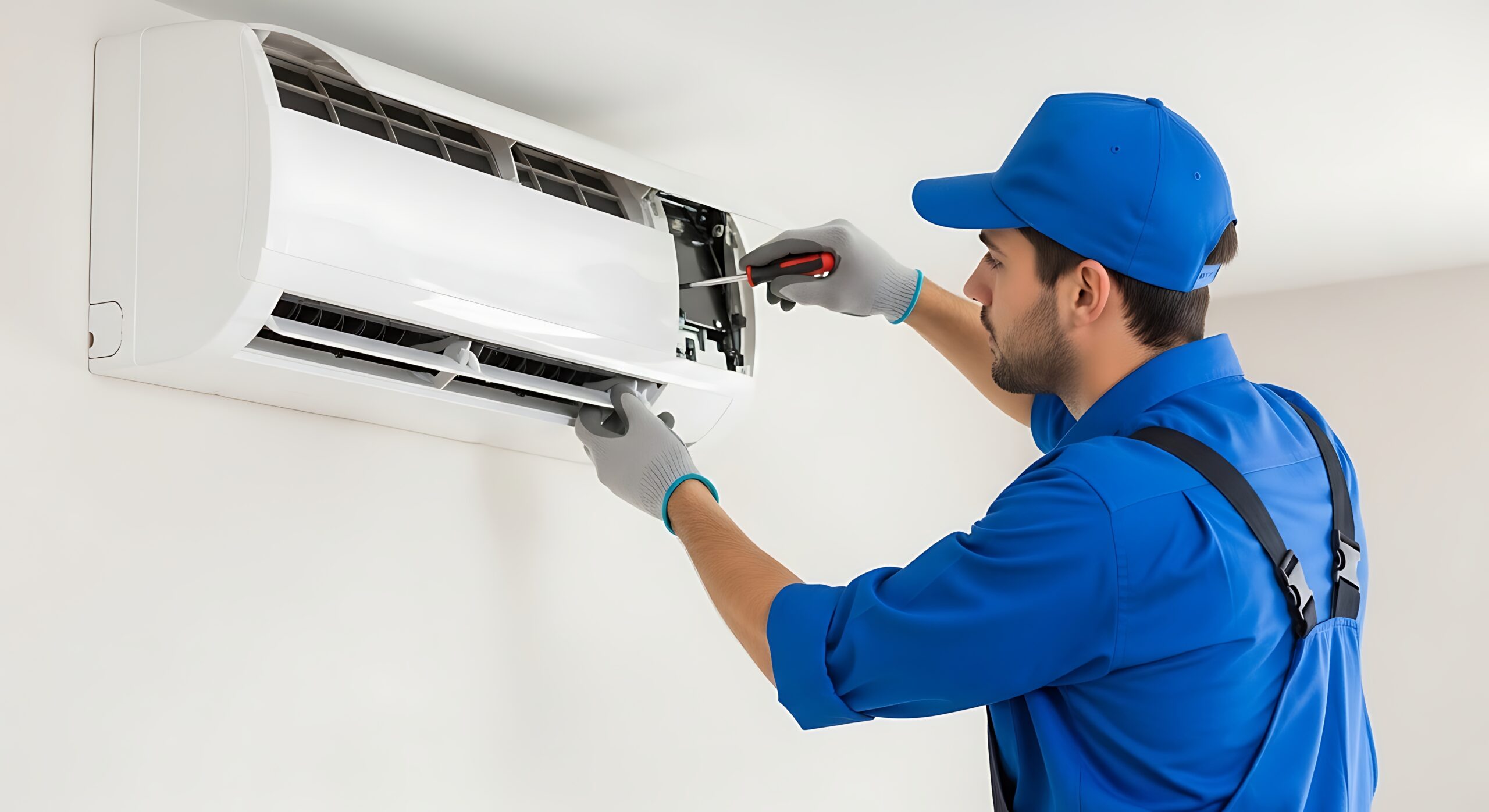
Phoenix is one of the most competitive HVAC markets in the country. Extreme heat, year-round demand, and dozens of contractors fighting for the same customers make online visibility non-negotiable. If your HVAC business is not showing up when homeowners search for emergency AC repair or system replacement, you are handing leads directly to competitors.
This HVAC SEO guide focuses on a real Phoenix use case approach. Not theory. Real-world strategies that reflect how Phoenix homeowners search, how Google ranks local HVAC companies, and how leads are actually generated.
The goal is simple. Turn search traffic into phone calls, form fills, and booked jobs.
Why HVAC SEO Is Different in Phoenix?
Phoenix Search Behavior Is Urgent and Local
Phoenix homeowners do not casually browse HVAC services. They search with urgency, especially during the summer. Searches often include phrases like “AC not cooling,” “emergency AC repair Phoenix,” or “HVAC company near me.”
Your SEO strategy must align with this intent, or it will fail.
Competition Is High, and Margins Are Tight
Ranking on page one in Phoenix means competing against established brands, aggressive advertisers, and national directories. Winning requires precision, consistency, and execution, not shortcuts.
The Foundation of a Winning HVAC SEO Strategy
1. Local Keyword Research That Reflects Real Searches
Phoenix HVAC SEO starts with understanding how people actually search, not how businesses describe themselves. High-performing campaigns focus on service-based, location-specific, and problem-driven keywords.
This includes targeting:
- AC repair Phoenix, AZ, and surrounding service areas
- Emergency HVAC repair searches tied to heat spikes
- Service plus city combinations, like AC replacement in Phoenix
- Long-tail questions homeowners ask during breakdowns
2. On-Page SEO That Converts, Not Just Ranks
Strong HVAC SEO pages do more than rank. They reassure stressed homeowners that help is available now. Pages must be structured to answer questions quickly, highlight trust signals, and make calling easy.
Effective pages include:
- Clear service headlines tied to Phoenix neighborhoods
- Fast-loading mobile layouts for emergency searches
- Visible phone numbers and strong local CTAs
3. Content That Builds Authority and Local Relevance
Blog content works best when it addresses real Phoenix-specific problems. Heat waves, aging AC systems, and energy costs dominate local concerns. Generic HVAC blogs do not perform well here.
High-impact topics include:
- Why AC systems fail during Phoenix heat waves
- How often do Phoenix homes need AC maintenance
- Signs your AC cannot handle Arizona summers
- Why AC systems fail during Phoenix heat waves
- How often do Phoenix homes need AC maintenance
- Signs your AC cannot handle Arizona summers
4. Google Business Profile Optimization
For Phoenix HVAC companies, Google Business Profile is often the top lead source. Optimizing it correctly makes the difference between showing up and being invisible.
Execution includes:
- Consistent service descriptions tied to Phoenix keywords
- Frequent photo updates of real jobs and crews
- Review responses that reinforce trust and location relevance
How This SEO Plan Is Executed in the Real World
A successful Phoenix HVAC SEO campaign follows a structured execution plan rather than random tactics. This includes deep research, technical cleanup, content deployment, and conversion optimization.
The process typically follows:
- Market and competitor analysis specific to Phoenix HVAC SERPs
- Website structure optimization for services and locations
- High-intent content creation mapped to buyer stages
- Ongoing optimization based on performance data
This execution approach is what separates real growth from surface-level SEO.
Why Strategy Alone Is Not Enough
Many HVAC companies fail at SEO not because the strategy is wrong, but because execution is inconsistent. Rankings require months of steady optimization, updates, and refinement. This is where professional SEO management makes the difference.
Timpson Marketing applies this Phoenix-specific HVAC SEO framework with hands-on execution, not templates. Every campaign is built around local demand, real search data, and conversion-focused performance.
Turn Phoenix Searches Into Booked Jobs.
Phoenix HVAC SEO is not about traffic. It is about getting the phone to ring when the heat is unbearable and homeowners need help immediately. That requires local insight, technical precision, and content that actually connects.
Timpson Marketing helps HVAC companies in Phoenix dominate local search, convert high-intent traffic, and scale lead generation without wasted ad spend. Contact our team today!
Frequently Asked Questions
1. What is HVAC SEO?
HVAC SEO is the process of optimizing a heating and cooling company’s online presence to rank higher in search results. It focuses on local searches, service keywords, and customer intent. The goal is to generate qualified leads.
2. Why is HVAC SEO important in Phoenix?
Phoenix has extreme weather and high HVAC demand. Homeowners rely on search engines to find immediate help. Ranking well increases visibility and lead volume.
3. How long does HVAC SEO take to work?
Most HVAC SEO campaigns show progress within three to six months. Competitive markets like Phoenix may take longer for top rankings. Consistency is key.
4. What keywords should HVAC companies target?
Keywords should focus on services, locations, and urgent problems. Examples include AC repair in Phoenix and emergency HVAC services. Long-tail keywords also matter.
5. Does Google Business Profile affect HVAC SEO?
Yes, it is one of the most important ranking factors for local HVAC searches. Optimization improves visibility in map results. Reviews and updates strengthen performance.
6. Are blogs necessary for HVAC SEO?
Blogs help build authority and answer homeowner questions. They support service pages and improve topical relevance. Phoenix-specific content performs best.
7. How important are online reviews?
Reviews strongly influence rankings and conversions. Google values review quantity and quality. Homeowners trust businesses with consistent feedback.
8. Can HVAC SEO reduce ad spend?
Yes, strong organic rankings reduce reliance on paid ads. SEO provides long-term lead flow. Over time, it lowers customer acquisition costs.
9. What role does website speed play?
Website speed affects user experience and rankings. Slow sites lose mobile visitors quickly. Fast load times improve conversions.
10. Is HVAC SEO different from general SEO?
Yes, HVAC SEO is highly local and service-driven. It focuses on emergency intent and location relevance. Generic SEO does not perform as well.
11. How does mobile optimization impact HVAC SEO?
Most HVAC searches happen on mobile devices. Mobile-friendly sites rank better and convert more users. Poor mobile design loses leads.
12. What is local SEO for HVAC companies?
Local SEO focuses on geographic visibility. It includes maps, citations, and localized content. This is critical in Phoenix markets.
13. How often should HVAC SEO be updated?
SEO requires ongoing updates and monitoring. Search trends and competition change. Regular optimization maintains rankings.
14. Do service area pages help rankings?
Yes, when done correctly. Pages should provide unique value and local relevance. Thin pages can hurt performance.
15. What technical SEO issues affect HVAC sites?
Common issues include crawl errors, duplicate content, and slow speed. Fixing these improves rankings. Technical health is essential.
16. Can HVAC SEO help during slow seasons?
Yes, SEO builds authority year-round. Strong rankings capture early demand. This stabilizes lead flow.
17. How does content help HVAC SEO?
Content answers homeowner questions and builds trust. It supports keyword relevance. Quality content improves engagement.
18. Is link building important for HVAC SEO?
Yes, local and industry links strengthen authority. Quality matters more than quantity. Spam links should be avoided.
19. What mistakes hurt HVAC SEO?
Keyword stuffing, duplicate pages, and neglecting local signals hurt rankings. Inconsistent NAP data also causes issues. Strategy without execution fails.
20. How do HVAC companies measure SEO success?
Success is measured by leads, calls, and booked jobs. Rankings and traffic support these metrics. Conversions matter most.

Leave A Comment