
How Social Media Marketing Affects SEO for St. George, Utah Businesses
If you run a business in St. George, Utah, you have probably wondered whether posting on Instagram or Facebook actually helps you show up higher on Google. The short answer is: it depends on what you mean by “helps.” Social media marketing does not directly change your search rankings in the way that backlinks or on-page SEO do. But social media activity creates real, measurable conditions that support better SEO performance over time. For St. George businesses competing against both local shops and national brands, understanding the true relationship between social media and SEO can save you time, sharpen your strategy, and help you get more out of every post you publish. This guide breaks down exactly how social media and SEO intersect, what the research actually supports, and what Southern Utah business owners should focus on to see real results.
Direct vs. Indirect SEO Impact
Google has stated publicly, through statements from engineers like Gary Illyes and Matt Cutts, that social media signals such as likes, shares, and follower counts are not direct ranking factors. Google cannot reliably crawl all social media data in real time, and the signals are too easy to manipulate. That official position has stayed consistent for years.
What Google has also confirmed is that it indexes some social media pages. Your Facebook business page, your LinkedIn profile, and your YouTube videos can appear in search results. That means social media is part of your overall web presence, even if individual post engagement is not counted as a ranking vote.
The indirect effects are where the real SEO value lives. Social media drives traffic, builds brand awareness, earns backlinks, and signals to search engines that your brand is active and trusted. For St. George small businesses, those indirect benefits are absolutely worth pursuing.
Do Social Signals Actually Influence Rankings?
What the Research Suggests
Several SEO studies, including analyses published by Moz and Semrush, have found correlations between high social engagement and higher search rankings. Correlation is not causation, though. Pages with strong social engagement also tend to attract backlinks, get more traffic, and have better content, all of which are confirmed ranking factors.
The more defensible interpretation is that social media and high SEO performance share common causes. If your content is genuinely useful and well-promoted, it earns both social shares and backlinks. Chasing social engagement for its own sake without creating quality content will not move your rankings.
Bing Is a Different Story
It is worth noting that Bing has confirmed it does use social signals as a ranking factor. Bing’s market share in the United States sits around 3 to 4 percent, so this is a smaller consideration for most St. George businesses. Still, it is one more reason not to ignore social media as part of a complete digital strategy.
Social Media Builds Brand Search Volume
One of the clearest SEO benefits of active social media marketing is increased branded search volume. When people see your business name on Facebook, Instagram, or TikTok, some percentage of them will later search for your business name on Google. Google treats rising branded search volume as a positive trust signal.
For a St. George business, this is especially powerful. If someone in Washington County sees your Instagram post about a spring promotion and later searches “your business name St. George,” Google notices that pattern. Consistent branded search activity tells Google that your business is real, active, and worth showing to more people.
Building that branded recognition takes time, but it compounds. A business that posts consistently for 12 months will have meaningfully higher branded search volume than one that posts sporadically. That difference shows up in rankings.
Content Amplification and Link Earning
Backlinks remain one of the most powerful confirmed ranking factors in Google’s algorithm. Social media is one of the best tools available for getting your content in front of the people most likely to link to it, including journalists, bloggers, industry peers, and local organizations.
When you publish a blog post, a local guide, or an original piece of research and share it across your social channels, you increase the number of people who see it. A fraction of those viewers will link to it from their own websites. Over time, that link-building process, powered by social amplification, builds real domain authority.
For Southern Utah businesses, this can mean earning links from local news outlets like the St. George Spectrum, local bloggers covering Washington County, or regional directories. Those local backlinks carry strong relevance signals for location-based searches. If you want a deeper look at how this fits into a broader strategy, our post on what is local SEO walks through the fundamentals every St. George business owner should understand.
The Local SEO Connection for St. George Businesses
Social Profiles as Local Citations
Local SEO depends heavily on consistent business information across the web. Your name, address, and phone number appearing consistently on Facebook, Instagram, LinkedIn, and other platforms functions as a form of local citation. These citations reinforce your business’s legitimacy and location signals to Google.
If your Facebook page lists your St. George address, your phone number, and your business hours, and that information matches what is on your website and Google Business Profile, you are building a consistent local footprint. Inconsistencies across platforms, even small ones like abbreviating “Street” on one platform and spelling it out on another, can weaken your local SEO signals.
Social Reviews Feed Local Trust
Facebook reviews and recommendations appear in search results and on your Facebook business page. While they do not flow directly into your Google Business Profile star rating, they contribute to the broader perception of your business. A steady stream of positive Facebook reviews supports the social proof that influences both click-through rates and conversion rates from organic traffic.
Google Business Profile and Social Proof
Google Business Profile is central to local search visibility for businesses in St. George and across the Hurricane, Ivins, and Santa Clara areas. While your GBP and your social media accounts are separate systems, they work better when they reinforce each other.
Posting consistently to your Google Business Profile, sharing updates, photos, and offers, shows Google that your business is active. When customers find your GBP listing and then look you up on social media and see consistent branding and recent activity, they are more likely to choose your business. That improved click-through rate and lower bounce rate signal quality to Google’s ranking systems.
Social media activity also gives you fresh content and photos to repurpose for your GBP posts, making it easier to keep that profile active without doubling your workload.
Ready to Grow Your St. George Business?
Timpson Marketing builds SEO, PPC, social media, and web design strategies that drive real results for Southern Utah businesses.
Which Platforms Matter Most for Southern Utah SEO
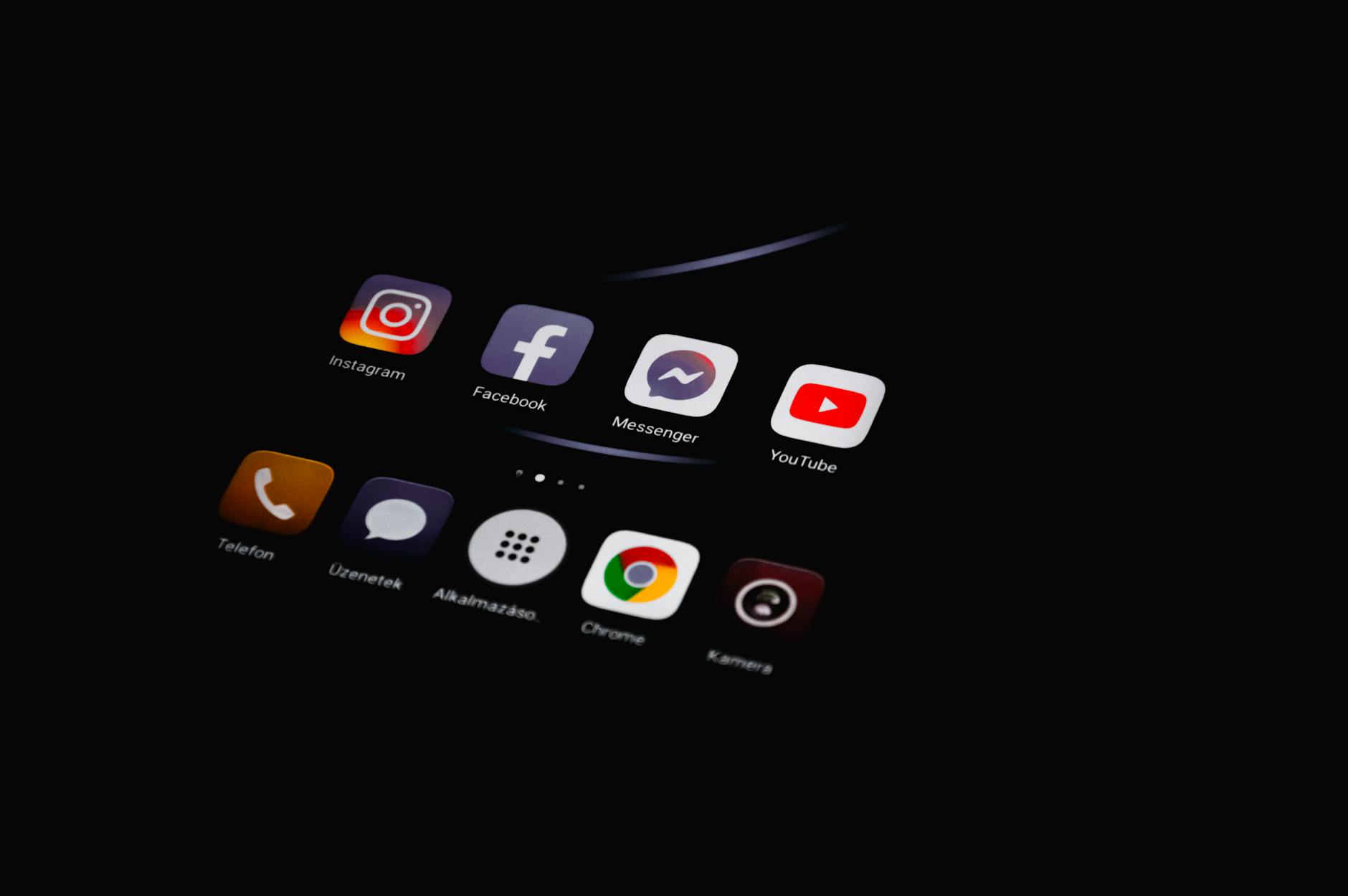
Facebook remains the most widely used social platform among adults in Southern Utah. Your Facebook business page is indexed by Google, your reviews are visible in search results, and your posts can drive direct referral traffic to your website. For most St. George businesses, Facebook is the highest-priority platform from an SEO support standpoint.
YouTube
YouTube is owned by Google, and YouTube videos rank in Google search results. If you create video content, publishing it on YouTube with keyword-optimized titles, descriptions, and transcripts is one of the clearest ways social media content directly supports search visibility. A St. George contractor who posts project walkthroughs or how-to videos can rank for search terms their competitors ignore entirely.
Instagram and Pinterest
Instagram and Pinterest drive strong referral traffic for visually oriented businesses such as restaurants, boutiques, home goods stores, and real estate agencies. While their direct SEO impact is limited, the referral traffic they generate contributes to the engagement signals that support rankings. Pinterest content also has a longer shelf life than most social platforms, with pins continuing to drive traffic for months or years.
For B2B businesses and professional services in St. George, LinkedIn profiles and company pages rank well in Google searches for business names and professional terms. LinkedIn is also a strong platform for earning backlinks through thought leadership content shared with industry audiences.
Writing Social Content That Supports SEO Goals
The overlap between good social content and good SEO content is larger than most business owners realize. Both reward clarity, usefulness, and relevance to a specific audience. When you write social posts that answer real questions your customers ask, you are practicing the same thinking that drives strong SEO content.
Use your target keywords naturally in social post captions where it makes sense. Tag your location in posts. Use hashtags that include your city name, like #StGeorgeUtah or #SouthernUtah, to increase local visibility. These small habits build a consistent local signal across your entire online presence.
When you publish a new blog post or page optimized for a keyword, share it across every social channel with a direct link. That sharing activity accelerates how quickly Google discovers and indexes the new content. For a complete look at building a social content plan that supports your SEO goals, read our guide on how to create a social media strategy.
Metrics to Track When Connecting Social and SEO
To understand whether your social media activity is supporting your SEO, you need to look beyond likes and follower counts. The metrics that matter for this connection are referral traffic from social platforms, branded search volume over time, the number and quality of backlinks earned after promoting specific content, and changes in organic rankings for pages you actively promote on social media.
Google Analytics 4 shows you which social platforms send traffic to your site and how those visitors behave compared to other traffic sources. Google Search Console shows you branded query volume trends. Tracking these together gives you a clearer picture of how your social activity translates into search performance.
Set a monthly review cadence. Compare months when you published and promoted strong content on social media against months when activity was lower. Patterns will emerge over 3 to 6 months that help you allocate your time more effectively.
Common Mistakes St. George Businesses Make
The biggest mistake is treating social media and SEO as separate strategies with no connection. Businesses that silo these functions miss the amplification opportunities that come from coordinating content publication with social promotion.
Another common error is inconsistent business information across platforms. If your Cedar City location is listed on Facebook but not on your website, or your phone number is different on Instagram than on Google, you are diluting your local citation strength. Audit every platform at least twice a year.
Finally, many St. George businesses post on social media without ever linking back to their website. Every social post that drives traffic to a specific landing page or blog post is contributing to that page’s traffic signals. If your posts always link to your home page or include no link at all, you are leaving value on the table.
A Simple Action Plan for Southern Utah Businesses
Start by auditing your existing social profiles. Make sure your business name, address, phone number, and website URL are identical across every platform. Then identify two or three platforms where your target customers are most active and commit to posting consistently on those, rather than spreading thin across every network.
Publish at least two pieces of substantive content per month on your website, blog posts, service pages, or local guides. Promote each piece across your social channels with a direct link. Share it more than once over the following weeks, because most followers see only a fraction of your posts on any given day.
Build a simple tracking system: note the publish date, the keyword target, and the social promotion dates for each piece of content. After 90 days, review which pieces gained backlinks, which drove referral traffic, and which pages improved in rankings. Use that data to double down on what is working.
Frequently Asked Questions
1. Does social media directly improve Google search rankings?
No, social media engagement metrics such as likes, shares, and followers are not confirmed direct ranking factors in Google’s search algorithm. Google has stated this position consistently for over a decade. However, social media activity creates indirect SEO benefits including increased referral traffic, higher branded search volume, and greater content distribution that leads to more backlinks. For St. George businesses, the indirect benefits are meaningful enough to make social media a worthwhile part of an integrated digital marketing strategy.
2. How do social signals affect SEO in Southern Utah specifically?
In a regional market like Southern Utah, where many businesses compete for the same location-based search terms, social media amplifies the local content and signals that support strong local SEO. Active social profiles with consistent business information function as local citations. Social promotion of locally relevant content increases the chances of earning backlinks from local news sources, directories, and community organizations, all of which carry strong location relevance signals for Washington County searches.
3. Which social media platform has the greatest SEO impact?
YouTube has the most direct SEO impact because it is owned by Google and YouTube videos rank in Google search results. Facebook is the most broadly useful for St. George businesses because its pages are indexed by Google, its reviews appear in search, and it reaches the widest adult audience in Southern Utah. The right platform depends on your specific business type, audience, and content strengths. A business that excels at video should prioritize YouTube. A restaurant or boutique may find Instagram or Pinterest more effective for driving the referral traffic that supports SEO goals.
4. Can a Facebook business page rank in Google search results?
Yes. Facebook business pages are indexed by Google and frequently appear in search results, especially for branded queries. If someone searches for your business name in St. George, your Facebook page will often appear on the first page of results alongside your website and Google Business Profile. Keeping your Facebook page complete, accurate, and recently active


Leave A Comment